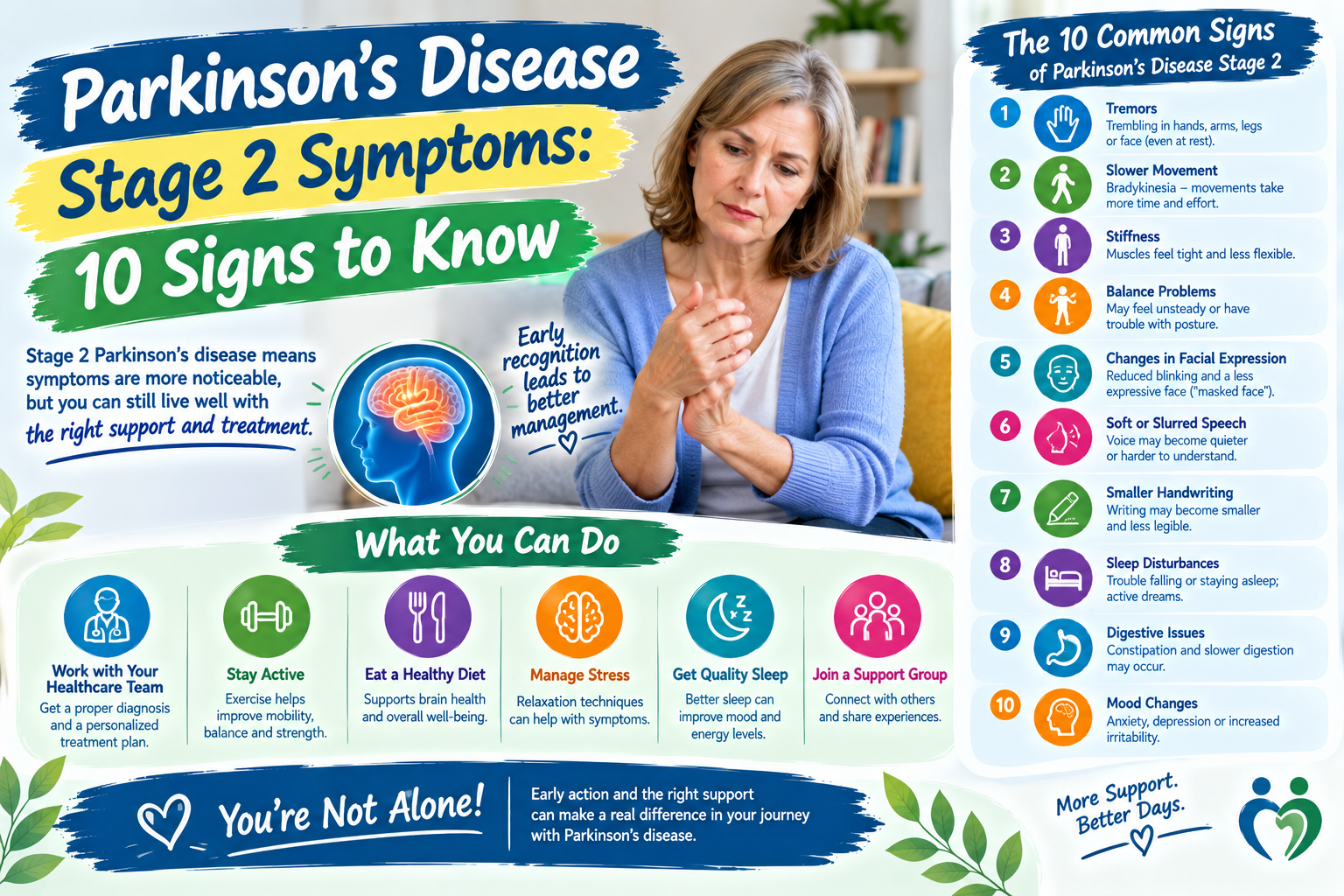
Parkinson’s disease is a progressive neurological disorder that can affect movement, balance, coordination, and several functions that are not directly related to movement. Symptoms often develop gradually, and their severity can vary significantly from one person to another.
One commonly used system for describing the progression of Parkinson’s disease is the Hoehn and Yahr scale. In this system, stage 2 generally represents a point at which symptoms are present on both sides of the body, but the person typically remains able to stand and walk independently without significant balance impairment.
Recognizing changes during stage 2 can help people discuss symptoms with their healthcare team, adjust daily routines, and plan appropriate treatment and support.
This article explains 10 common stage 2 Parkinson’s symptoms and what they may mean.
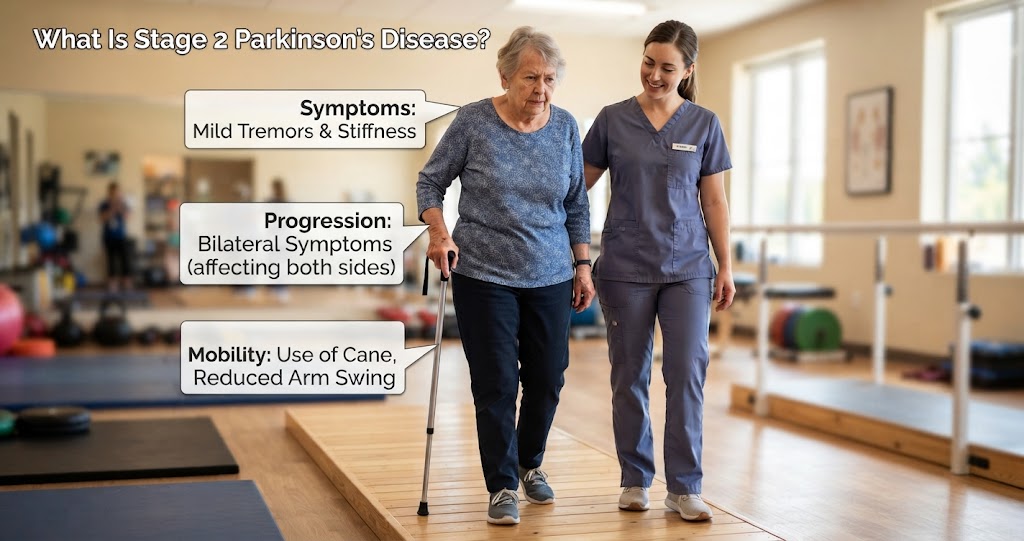
What Is Stage 2 Parkinson’s Disease?
Click Here To Watch Video to Treat Parkinson’s Disease Naturally!..
Parkinson’s disease does not progress in exactly the same way for everyone. The Hoehn and Yahr scale is one tool healthcare professionals may use to describe motor progression.
During stage 1, symptoms generally affect one side of the body.
By stage 2, symptoms typically become bilateral, meaning both sides of the body are affected. However, significant impairment of balance is generally not yet present.
A person at stage 2 may still perform many everyday activities independently, although movements may take longer and some tasks may become more difficult.
It is important to remember that staging is not a complete description of someone’s experience. Parkinson’s can also cause non-motor symptoms that may have a substantial effect on quality of life.
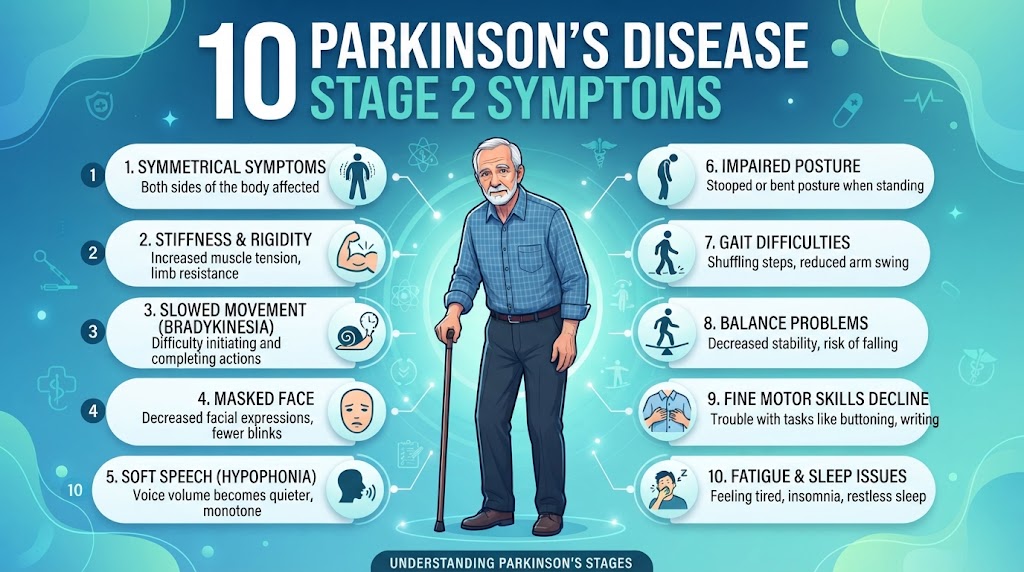
10 Parkinson’s Disease Stage 2 Symptoms
Click Here To Watch Video to Treat Parkinson’s Disease Naturally!..
1. Tremor on Both Sides of the Body
Tremor is one of the symptoms most commonly associated with Parkinson’s disease.
A Parkinson’s tremor often occurs when the affected body part is relaxed and may become less noticeable during purposeful movement.
During stage 2, tremor that initially affected one side may begin appearing on the other side.
However, not everyone with Parkinson’s develops significant tremor. Some people have a form of Parkinson’s disease in which stiffness, slowness, or balance problems are more prominent.
Tremors can affect:
- Hands
- Fingers
- Legs
- Jaw
- Chin
The pattern and severity can vary from person to person.
2. Increased Muscle Stiffness
Muscle rigidity is another common motor symptom.
People may describe their muscles as feeling tight, stiff, or difficult to move. Rigidity can affect the arms, legs, neck, shoulders, or trunk.
During stage 2, stiffness may occur on both sides of the body.
Everyday activities can become more difficult because of rigidity. For example, a person may notice difficulty:
- Turning in bed
- Getting dressed
- Reaching overhead
- Turning the neck
- Swinging the arms while walking
- Getting up from a chair
Regular movement and appropriate physical therapy may help maintain mobility.
3. Slower Movement
Bradykinesia, or slowness of movement, is a core motor feature of Parkinson’s disease.
A person may notice that ordinary tasks take longer than they used to.
Examples include:
- Buttoning a shirt
- Writing
- Using utensils
- Shaving
- Brushing teeth
- Getting dressed
- Walking
The problem is not simply being tired or choosing to move slowly. Parkinson’s can make it harder for the nervous system to initiate and control movement.
A person may also notice that movements become smaller or less pronounced.
4. Changes in Walking
Walking may gradually change as Parkinson’s progresses.
During stage 2, a person may notice:
- Shorter steps
- Reduced arm swing
- Slower walking
- Difficulty changing direction
- A feeling of stiffness while walking
- Reduced foot clearance
Some people may begin taking small, shuffling steps.
Although significant postural instability is generally not characteristic of stage 2, walking changes can still affect confidence and mobility.
Physical therapy and regular safe exercise can be valuable for maintaining movement and independence.
5. Reduced Facial Expressions
Parkinson’s can affect the muscles used for facial expression.
A person may develop a less expressive facial appearance, sometimes called hypomimia.
Family members may notice that the person:
- Smiles less often
- Blinks less frequently
- Appears more serious
- Has less facial movement
This does not necessarily mean the person is unhappy or emotionally withdrawn.
Facial movement can become reduced because Parkinson’s affects voluntary and automatic motor control.
6. Changes in Speech
Speech changes can occur as Parkinson’s progresses.
A person may notice that their voice becomes:
- Softer
- Quieter
- More monotone
- Less expressive
Some people may also speak more quickly or begin mumbling without realizing it.
These changes can make conversations more difficult, especially in noisy environments.
A speech-language pathologist can provide exercises and strategies designed to support communication and, when appropriate, swallowing function.
7. Smaller Handwriting
Changes in handwriting, known as micrographia, can be an early sign of Parkinson’s disease.
A person may notice that handwriting gradually becomes:
- Smaller
- More cramped
- Less legible
- Slower to produce
The change may be especially noticeable when writing longer sentences.
Other fine-motor tasks may also become harder, such as:
- Using a computer mouse
- Handling coins
- Opening containers
- Tying shoelaces
- Using small buttons
Occupational therapy can provide practical strategies for maintaining independence with these activities.
8. Difficulty With Automatic Movements
Parkinson’s can affect movements that most people normally perform without consciously thinking about them.
Examples include:
- Arm swinging while walking
- Blinking
- Facial expressions
- Adjusting posture
- Turning while walking
During stage 2, a person may become more aware that movements feel less natural or automatic.
For example, one arm may remain closer to the body instead of swinging normally during walking.
These subtle changes can be useful information to share with a healthcare professional.
9. Changes in Posture
Posture can gradually change as Parkinson’s progresses.
A person may begin to:
- Lean slightly forward
- Hold the head farther forward
- Keep the shoulders more rounded
- Bend the elbows
- Stand less upright
Postural changes can develop gradually and may be difficult to notice at first.
Maintaining strength, flexibility, and physical activity can be helpful. A physical therapist can recommend exercises tailored to the individual’s abilities and safety needs.
10. Non-Motor Symptoms
Parkinson’s disease is not only a movement disorder.
Non-motor symptoms can occur at any stage and may sometimes be noticeable before significant movement problems.
Examples include:
- Constipation
- Sleep problems
- Fatigue
- Reduced sense of smell
- Urinary changes
- Depression or anxiety
- Changes in thinking
- Pain
- Changes in blood pressure
- Excessive sweating
Not everyone experiences these symptoms, and their severity varies.
Non-motor symptoms can significantly affect quality of life, so they should be discussed with the healthcare team rather than dismissed as unrelated problems.
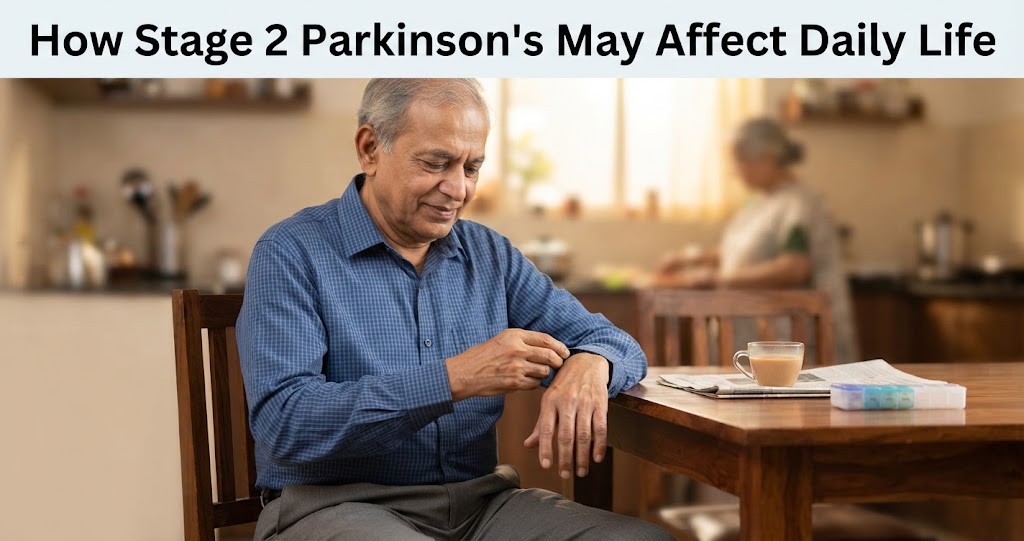
How Stage 2 May Affect Daily Life
Click Here To Watch Video to Treat Parkinson’s Disease Naturally!..
Many people in stage 2 can continue living independently.
However, everyday activities may require more time or effort.
For example, a person may need additional time to:
- Get dressed
- Prepare meals
- Walk longer distances
- Write
- Complete household tasks
- Get in and out of bed
Some people continue working and participating in hobbies, exercise, and social activities.
Adapting the environment and using appropriate strategies can help maintain independence.
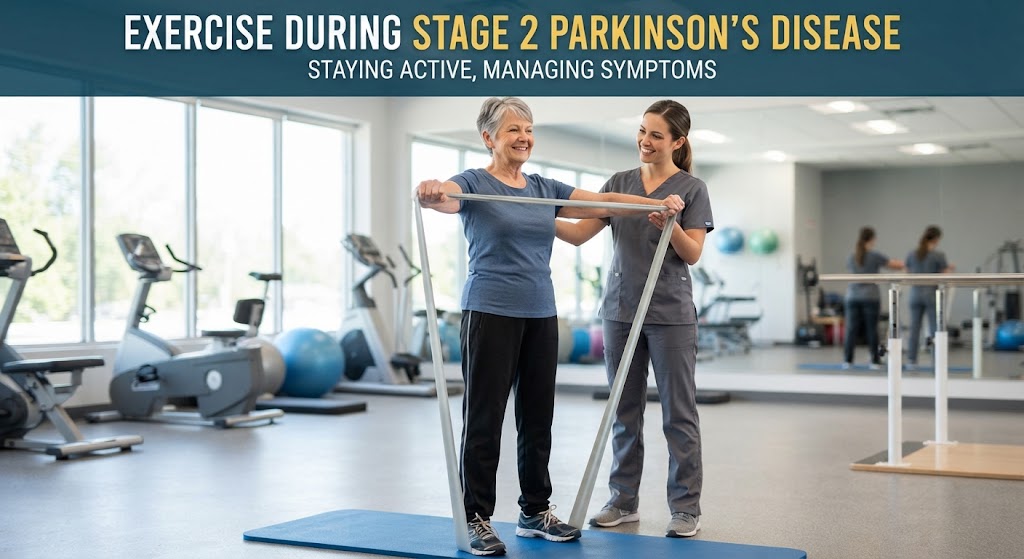
Exercise During Stage 2 Parkinson’s Disease
Click Here To Watch Video to Treat Parkinson’s Disease Naturally!..
Exercise is an important part of Parkinson’s management.
Depending on individual health and abilities, a healthcare professional may recommend activities involving:
- Walking
- Strength training
- Stretching
- Balance exercises
- Cycling
- Swimming
- Dance
- Tai chi
- Mobility exercises
Exercise programs should be individualized, particularly if the person has other medical conditions, significant stiffness, dizziness, or mobility concerns.
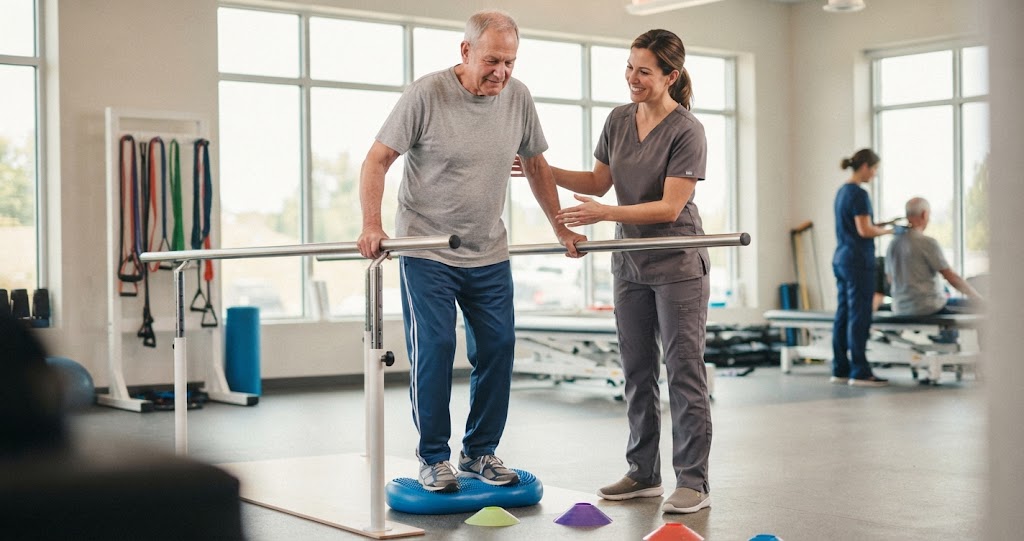
A physical therapist familiar with Parkinson’s disease can help create an appropriate program.
Treatment for Stage 2 Parkinson’s Disease
Click Here To Watch Video to Treat Parkinson’s Disease Naturally!..
There is currently no cure for Parkinson’s disease, but treatment can help manage symptoms and maintain function.
Treatment may include medications designed to improve movement symptoms. Depending on the individual, healthcare professionals may consider medications such as levodopa or other Parkinson’s treatments.
Treatment plans are highly individualized.
Other important components can include:
- Physical therapy
- Occupational therapy
- Speech therapy
- Exercise
- Nutrition support
- Mental health support
- Management of sleep problems
- Treatment of constipation and other non-motor symptoms
People should take Parkinson’s medications exactly as prescribed and discuss side effects or changes in symptoms with their healthcare team.
When Should You Talk to a Healthcare Professional?

Click Here To Watch Video to Treat Parkinson’s Disease Naturally!..
If you notice new tremors, stiffness, slowed movement, changes in walking, handwriting changes, or other possible Parkinson’s symptoms, schedule an evaluation with a healthcare professional.
A diagnosis cannot be made based on one symptom alone.
A neurologist, particularly a movement-disorder specialist, may evaluate:
- Medical history
- Movement patterns
- Muscle tone
- Coordination
- Reflexes
- Walking
- Balance
- Other neurological signs
Other conditions can cause symptoms that resemble Parkinson’s disease, so professional evaluation is important.
How Can Families Support Someone With Stage 2 Parkinson’s?

Click Here To Watch Video to Treat Parkinson’s Disease Naturally!..
Family members can play an important role without taking away the person’s independence.
Helpful approaches include:
- Allowing extra time for tasks
- Encouraging safe physical activity
- Helping organize appointments
- Supporting medication routines
- Listening to concerns
- Encouraging social activities
- Making the home environment safer
Avoid doing every task for someone simply because they perform it more slowly. Maintaining independence can support confidence and quality of life.
Final Thoughts
Stage 2 Parkinson’s disease generally means that symptoms have progressed from one side of the body to both sides, while significant balance impairment has not yet developed.
Common symptoms can include tremor, stiffness, slowed movement, walking changes, reduced facial expression, softer speech, smaller handwriting, reduced automatic movements, posture changes, and non-motor symptoms.
Parkinson’s progresses differently for everyone. Stage 2 does not mean that every person will experience all of these symptoms or that symptoms will progress at the same rate.
Early attention to symptoms, regular medical follow-up, appropriate treatment, exercise, physical therapy, and practical lifestyle adjustments can help people maintain mobility and independence.
If you or someone you care about is experiencing possible Parkinson’s symptoms, speak with a qualified healthcare professional for an individualized evaluation and treatment plan.
Medical Disclaimer: This article is for general educational purposes only and is not a substitute for professional medical advice, diagnosis, or treatment. Parkinson’s disease and its symptoms vary from person to person. Always consult a qualified healthcare professional for diagnosis and individualized medical care.