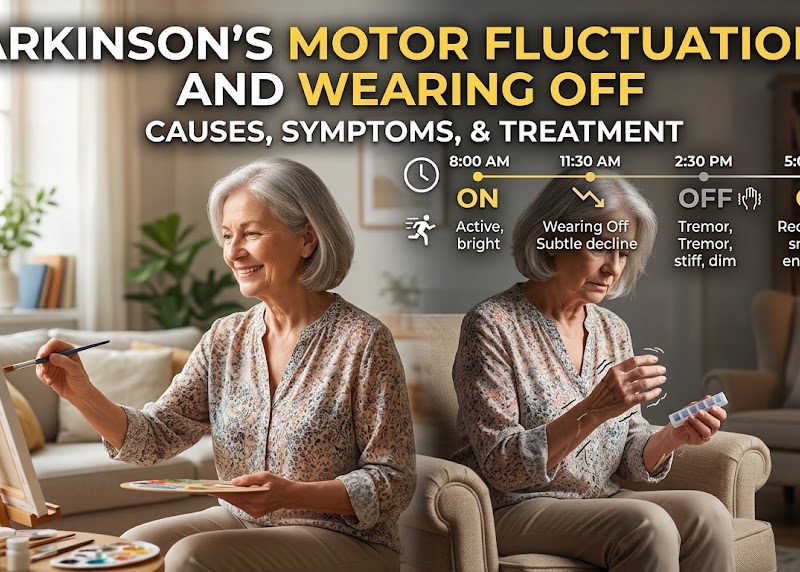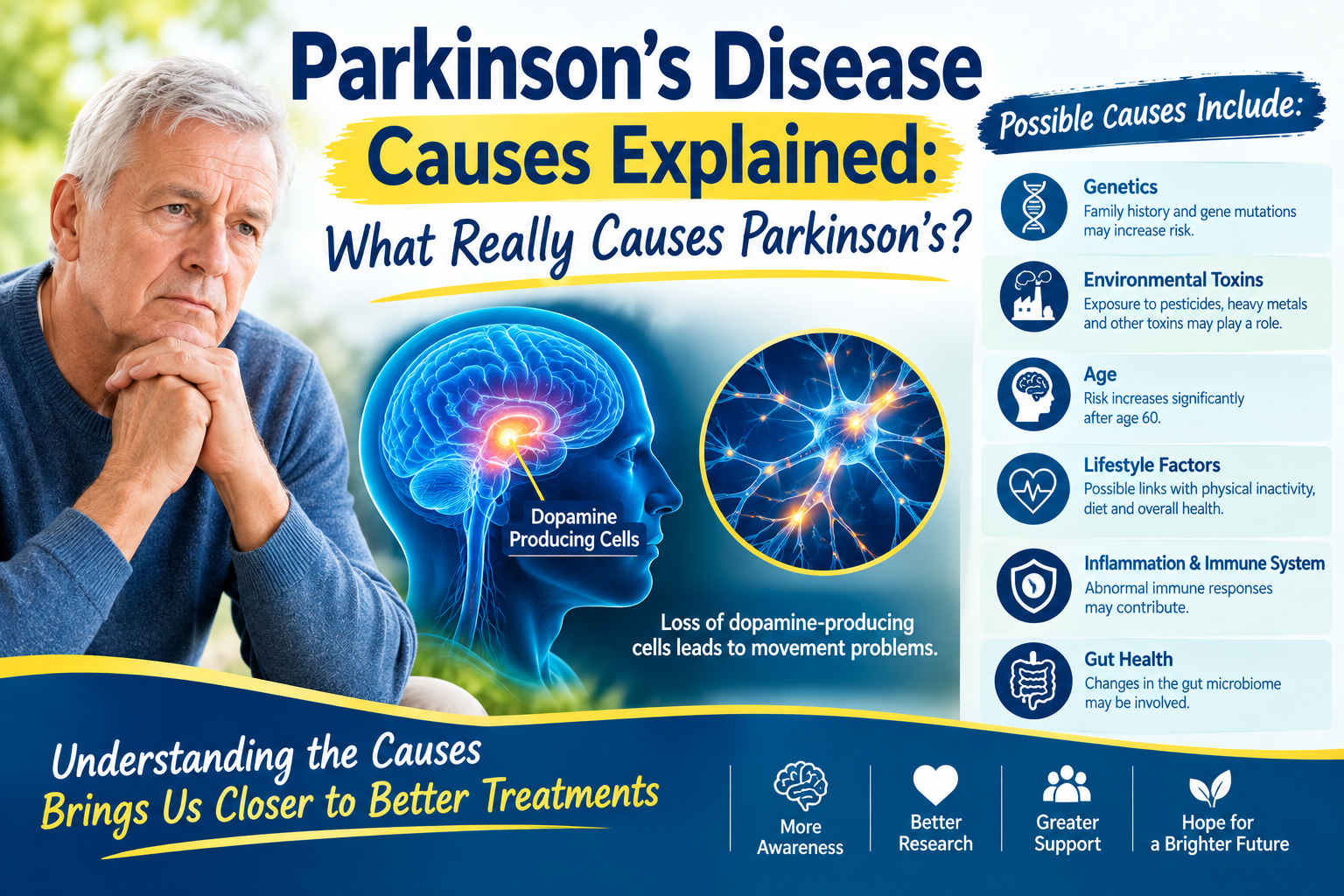
Parkinson’s disease is a progressive neurological disorder that affects movement, coordination, and many non-motor functions. It is commonly associated with tremor, stiffness, slow movement, and balance problems. But one of the most common questions people have after a Parkinson’s diagnosis is: What really causes Parkinson’s disease?
The answer is not as simple as one specific cause.
In most people, Parkinson’s disease appears to result from a combination of genetic susceptibility, environmental influences, aging, and complex biological changes in the brain. Researchers have identified several factors associated with Parkinson’s, but for the majority of people with the condition, the exact reason it develops remains unknown.
Understanding Parkinson’s causes can help patients and families separate established scientific evidence from common myths and misconceptions.
What Causes Parkinson’s Disease?

Click Here To Watch Video to Treat Parkinson’s Disease Naturally!..
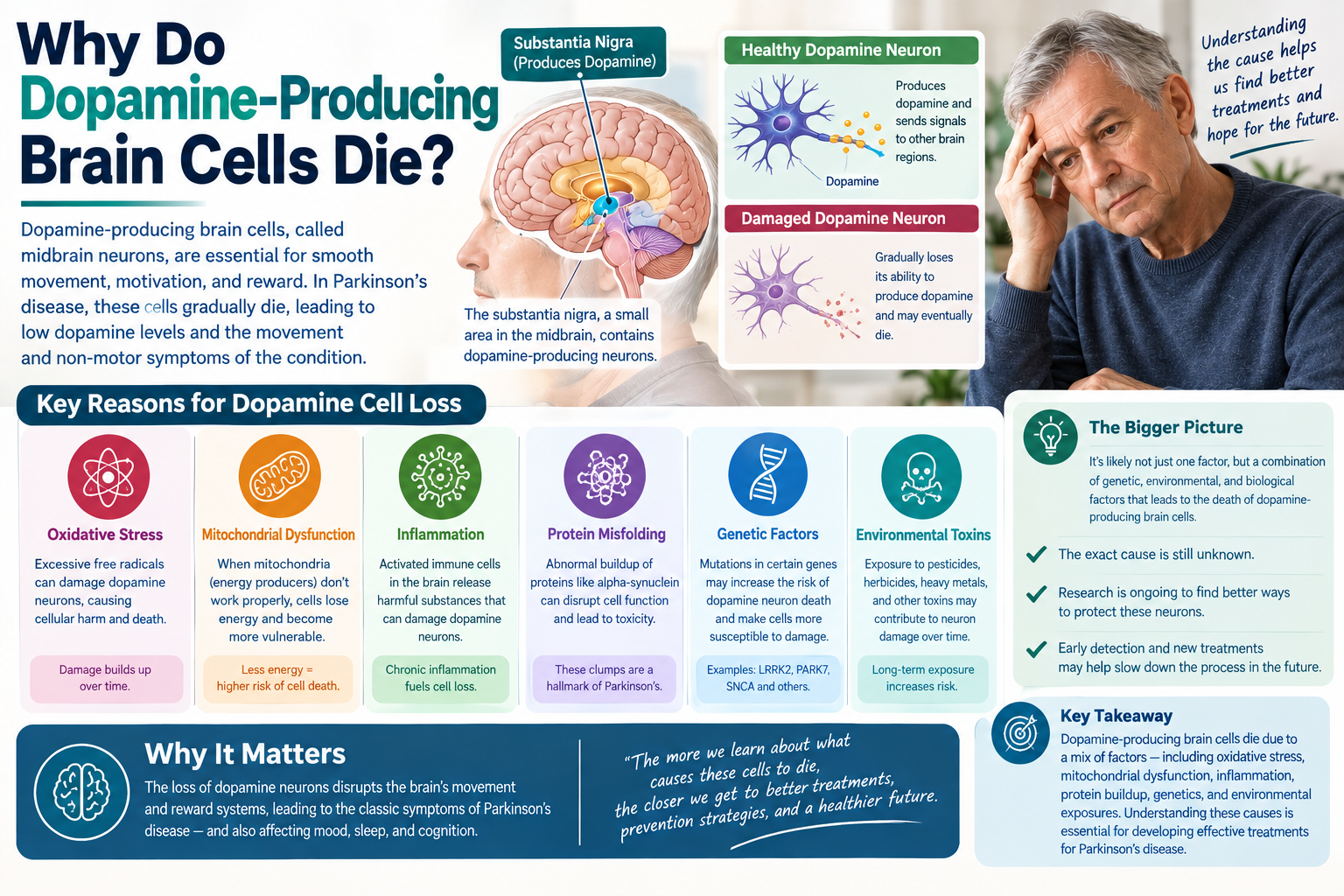
Parkinson’s disease develops when certain nerve cells in the brain become damaged or are lost. One of the most important areas affected is the substantia nigra, a region of the brain that contains dopamine-producing neurons.
These neurons produce dopamine, a chemical messenger involved in controlling movement.
As dopamine-producing neurons are lost, dopamine levels decrease. This disrupts communication between brain regions involved in movement and can eventually lead to symptoms such as:
- Tremor
- Bradykinesia, or slow movement
- Muscle rigidity
- Balance problems
- Changes in walking
- Reduced facial expression
However, dopamine loss is an important part of what happens in Parkinson’s—not necessarily the original cause of why the disease begins.
Researchers believe that several biological processes may contribute to nerve-cell damage, including abnormal protein accumulation, mitochondrial dysfunction, oxidative stress, inflammation, and problems with cellular waste removal.
Why Do Dopamine-Producing Brain Cells Die?
Click Here To Watch Video to Treat Parkinson’s Disease Naturally!..
This remains one of the biggest unanswered questions in Parkinson’s research.
Scientists have identified several mechanisms that may contribute to the degeneration of dopamine-producing neurons.
Alpha-Synuclein and Lewy Bodies
A protein called alpha-synuclein plays an important role in Parkinson’s disease.
Normally, alpha-synuclein is involved in nerve-cell function. In Parkinson’s, however, abnormal forms of the protein can accumulate inside neurons.
These deposits are associated with structures called Lewy bodies.
Lewy bodies are microscopic abnormalities found in the brains of many people with Parkinson’s disease and some related neurological disorders.
Researchers are studying how abnormal alpha-synuclein develops, spreads, and affects nerve cells.
Importantly, scientists are still investigating whether abnormal alpha-synuclein is a primary driver of Parkinson’s or one part of a much larger disease process.
Genetics and Parkinson’s Disease

Click Here To Watch Video to Treat Parkinson’s Disease Naturally!..
Genetics can play a role in Parkinson’s disease.
Researchers have identified several genetic changes associated with increased Parkinson’s risk. These include changes in genes such as LRRK2, SNCA, PARK2 (parkin), PINK1, and DJ-1.
However, having a genetic risk factor does not necessarily mean that a person will develop Parkinson’s.
There are two broad genetic situations to understand:
Familial Parkinson’s Disease
In a relatively small proportion of cases, Parkinson’s occurs in multiple members of a family because of inherited genetic changes.
These forms can sometimes begin at a younger age.
Sporadic Parkinson’s Disease
Most Parkinson’s cases are considered sporadic, meaning there is no clear single inherited genetic cause.
A person may have genetic susceptibility without having a family history of Parkinson’s.
In these cases, researchers believe genetics may interact with environmental and biological factors.
Is Parkinson’s Disease Hereditary?
Parkinson’s is not usually inherited in a straightforward way.
Having a parent or sibling with Parkinson’s may increase a person’s risk compared with someone without a family history, but it does not mean that Parkinson’s will definitely develop.
Most people with Parkinson’s do not have a known affected parent or sibling.
People with a strong family history or unusually young age at diagnosis may benefit from discussing genetic counseling or genetic testing with a healthcare professional.
Genetic testing should be interpreted carefully because many genetic variants increase risk without guaranteeing disease.
Aging and Parkinson’s Disease
Age is one of the strongest risk factors for Parkinson’s disease.
Parkinson’s becomes more common as people get older, although it can occur at younger ages.
Why does aging increase risk?
Aging is associated with changes in:
- Cellular repair
- Mitochondrial function
- Protein processing
- Oxidative stress
- Immune activity
- The brain’s ability to maintain damaged neurons
These changes may make certain nerve cells more vulnerable.
However, aging itself does not cause Parkinson’s. Most older adults do not develop Parkinson’s disease.
Instead, aging may interact with genetic and environmental factors that influence disease risk.
Environmental Factors
Researchers have investigated whether certain environmental exposures are associated with Parkinson’s disease.
Potentially relevant exposures include certain pesticides, solvents, and other toxic substances.
Research has identified associations between Parkinson’s risk and exposure to certain pesticides, although the relationship is complex and does not mean that every person exposed to a particular chemical will develop Parkinson’s.
Environmental exposure is especially difficult to study because people can encounter chemicals through different occupations, locations, food, water, and other sources over many years.
Researchers continue to investigate how environmental factors may interact with genetics.
Pesticides and Parkinson’s Disease
Certain pesticides have received particular attention in Parkinson’s research.
Scientists have investigated compounds associated with damage to mitochondrial function and nerve cells.
Some studies have found an association between specific pesticide exposures and increased Parkinson’s risk.
However, these findings do not mean that pesticides are the sole cause of Parkinson’s disease.
Parkinson’s is likely multifactorial for most people, meaning several biological and environmental factors may contribute.
People who work with pesticides or other potentially hazardous chemicals should follow workplace safety requirements and appropriate protective measures.
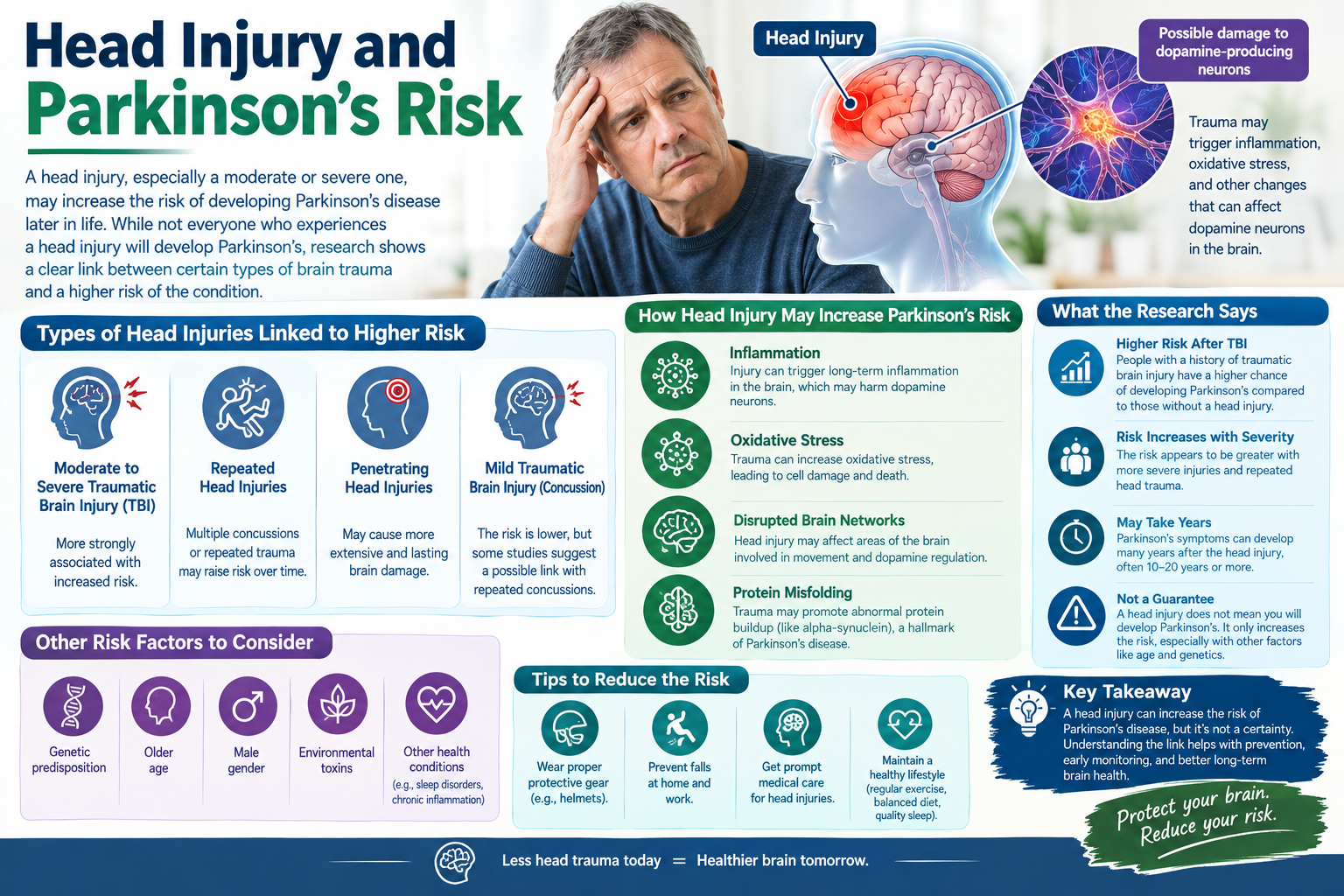
Head Injury and Parkinson’s Risk
Click Here To Watch Video to Treat Parkinson’s Disease Naturally!..
Traumatic brain injury has also been studied as a possible risk factor.
Some research suggests that repeated or significant head injuries may be associated with an increased risk of Parkinson’s or other neurodegenerative conditions.
However, not everyone who experiences a concussion or head injury develops Parkinson’s.
The relationship between traumatic brain injury and Parkinson’s remains an active area of research.
People with a history of repeated head injuries should discuss concerning neurological symptoms with a healthcare professional.
Oxidative Stress
Oxidative stress is another biological process being investigated.
Cells naturally produce molecules called reactive oxygen species during normal metabolism. The body has antioxidant systems that help keep these molecules under control.
When oxidative stress becomes excessive, it can damage cellular components.
Dopamine-producing neurons may be particularly vulnerable to oxidative stress because of their metabolic characteristics.
Researchers believe oxidative stress may contribute to nerve-cell damage in Parkinson’s, but it is only one part of the disease process.
This is also why researchers have studied antioxidant supplements. However, the fact that oxidative stress is involved does not mean that taking large doses of antioxidants can prevent or cure Parkinson’s.
Mitochondrial Dysfunction
Mitochondria are often described as the energy-producing structures of cells.
Brain cells require substantial energy to maintain normal function.
Research suggests that mitochondrial dysfunction may contribute to Parkinson’s disease by reducing cellular energy production and increasing vulnerability to cellular stress.
Some Parkinson’s-associated genes are involved in maintaining mitochondrial health.
This has led researchers to investigate therapies designed to protect or improve mitochondrial function.
So far, however, no widely established mitochondrial supplement or treatment has been proven to stop Parkinson’s progression.
Neuroinflammation
Inflammation in the nervous system is another area of Parkinson’s research.
The brain contains immune cells called microglia. These cells help protect the brain and respond to injury or abnormal activity.
Researchers have found evidence of altered immune activity in Parkinson’s disease.
Chronic or excessive inflammatory activity may contribute to neuronal damage.
Scientists are investigating whether controlling specific inflammatory pathways could eventually lead to disease-modifying treatments.
At present, neuroinflammation is considered part of the complex biology of Parkinson’s rather than a single confirmed cause.
The Gut and Parkinson’s Disease
Click Here To Watch Video to Treat Parkinson’s Disease Naturally!..
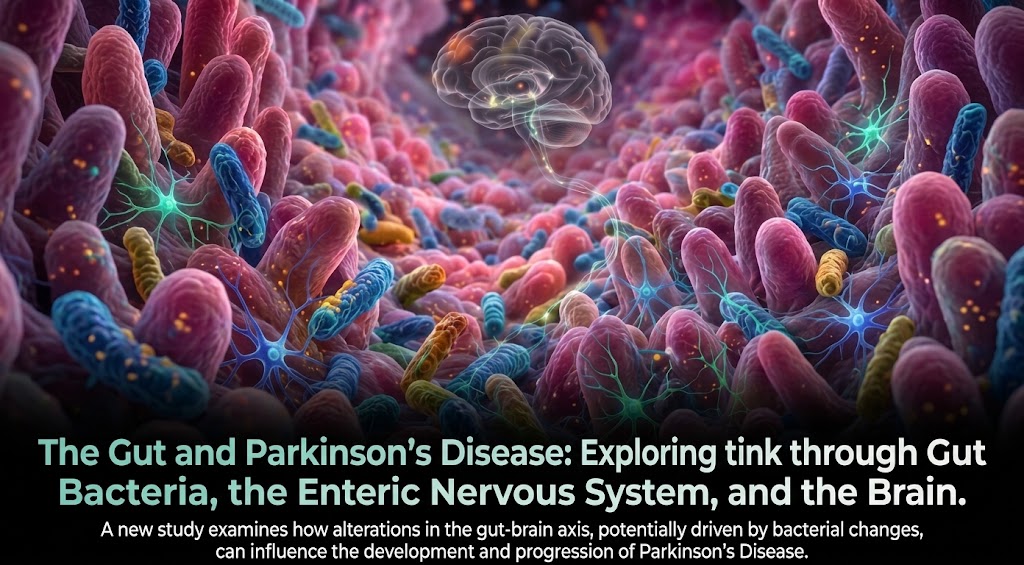
The relationship between the digestive system and Parkinson’s has attracted considerable scientific attention.
Many people with Parkinson’s experience gastrointestinal symptoms, particularly constipation.
Some researchers have proposed that biological changes associated with Parkinson’s may involve the gastrointestinal tract and potentially travel through connected pathways to the nervous system.
Changes in the gut microbiome are also being investigated.
However, the exact relationship remains uncertain.
It is not currently established that an unhealthy gut directly causes Parkinson’s disease.
Research is continuing into whether changes in gut bacteria occur before Parkinson’s symptoms, result from the disease, are influenced by medications or diet, or involve several of these factors.
Is Parkinson’s Caused by Stress?
Stress does not appear to be a proven direct cause of Parkinson’s disease.
However, stress can make Parkinson’s symptoms more noticeable in people who already have the condition.
For example, stress and anxiety may temporarily worsen:
- Tremor
- Muscle tension
- Difficulty moving
- Sleep problems
- Fatigue
Managing stress is therefore useful for overall well-being, but people should not blame themselves for developing Parkinson’s because of stressful experiences.
Is Parkinson’s Caused by Diet?
There is no single food or dietary pattern proven to directly cause Parkinson’s disease.
Similarly, there is no specific diet proven to cure Parkinson’s.
A balanced diet can nevertheless support overall health and may help manage symptoms such as constipation, weight changes, and medication-related nutritional concerns.
A healthy eating pattern generally includes a variety of:
- Vegetables
- Fruits
- Whole grains
- Legumes
- Nuts and seeds
- Healthy fats
- Appropriate protein
- Adequate fluids
People taking levodopa may need individualized advice about the timing of protein-rich meals because dietary protein can affect levodopa absorption in some individuals.
Can Parkinson’s Be Prevented?
Because the exact cause of most Parkinson’s cases is unknown, there is currently no guaranteed way to prevent the disease.
However, maintaining general health is beneficial.
Helpful habits include:
- Regular physical activity
- A balanced diet
- Adequate sleep
- Managing cardiovascular risk factors
- Avoiding tobacco
- Following appropriate workplace safety practices
- Protecting against preventable head injuries
- Maintaining social and cognitive activity
These steps should be viewed as general health measures rather than guaranteed Parkinson’s prevention strategies.
What Does NOT Cause Parkinson’s Disease?
Several myths surround Parkinson’s disease.
Parkinson’s is not simply caused by:
- Getting older
- Stress
- One specific food
- Lack of exercise
- Normal forgetfulness
- A single vitamin deficiency
- Weak muscles
- Poor lifestyle choices
Although some of these factors may influence general health or symptoms, they should not be considered established single causes of Parkinson’s.
Why Is the Cause Still Unknown?
Parkinson’s is challenging to study because the disease likely develops through multiple interacting processes.
A person’s risk may reflect a combination of:
Genetics + aging + environmental exposures + cellular vulnerability + biological changes
These factors may affect different people differently.
Another challenge is that Parkinson’s may begin years before the classic motor symptoms become noticeable.
By the time tremor, stiffness, or slowness is diagnosed, significant biological changes may already have occurred.
Researchers are therefore studying early biological markers that could eventually help identify Parkinson’s before substantial neuronal loss occurs.
Can Scientists Find the Cause of Parkinson’s?
Click Here To Watch Video to Treat Parkinson’s Disease Naturally!..
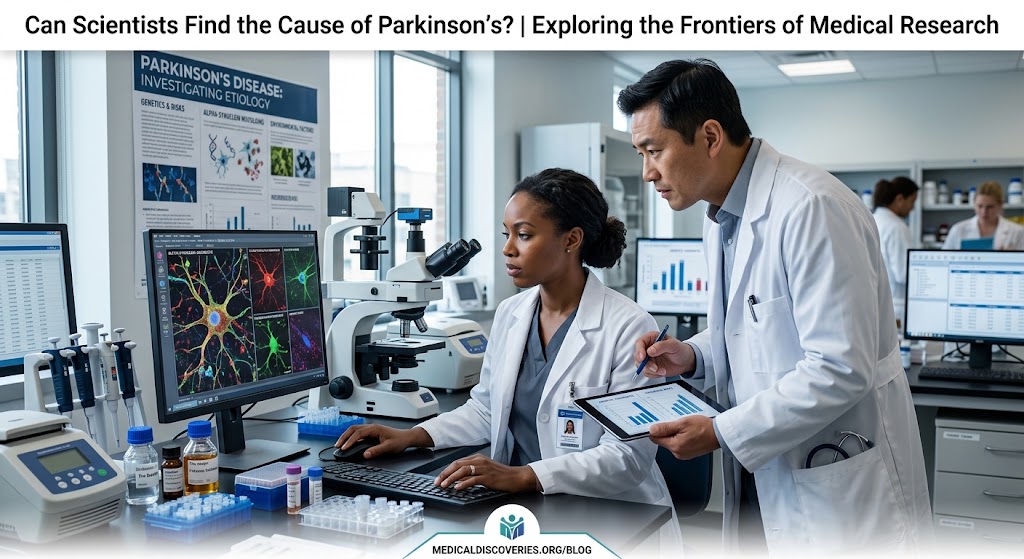
Researchers around the world are actively studying Parkinson’s disease.
Areas of research include:
- Alpha-synuclein
- Genetics
- Mitochondrial function
- Neuroinflammation
- Gut-brain interactions
- Environmental exposures
- Cellular waste removal
- Brain network changes
- Biomarkers
- Disease-modifying treatments
The goal is not only to understand why Parkinson’s occurs but also to develop treatments that could slow or prevent disease progression.
Frequently Asked Questions
What is the main cause of Parkinson’s disease?
There is no single confirmed cause for most cases. Parkinson’s is believed to result from a combination of genetic susceptibility, aging, environmental influences, and biological processes that damage vulnerable brain cells.
Can Parkinson’s disease be caused by genetics?
Genetics can contribute to Parkinson’s risk, and some cases are directly linked to inherited genetic changes. However, most Parkinson’s cases do not have a single known inherited cause.
Does stress cause Parkinson’s?
Stress is not considered a proven direct cause of Parkinson’s disease. However, stress can temporarily make symptoms such as tremor or anxiety more noticeable.
Do pesticides cause Parkinson’s?
Certain pesticide exposures have been associated with increased Parkinson’s risk in research studies. However, exposure does not mean that Parkinson’s will definitely develop, and pesticides are not considered the sole cause of most cases.
Can diet cause Parkinson’s?
There is no specific food proven to cause Parkinson’s disease. A balanced diet can support general health and help manage certain Parkinson’s-related problems.
Is Parkinson’s disease preventable?
There is currently no guaranteed way to prevent Parkinson’s because the cause of most cases remains unknown. Healthy lifestyle habits and avoiding known hazards can support overall health but cannot guarantee prevention.
Final Thoughts
Parkinson’s disease does not have one simple cause.
The disease develops when vulnerable brain cells—particularly dopamine-producing neurons in the substantia nigra—become damaged or die. Scientists believe this process may involve a combination of genetic susceptibility, aging, environmental exposures, abnormal alpha-synuclein, mitochondrial dysfunction, oxidative stress, neuroinflammation, and other biological mechanisms.
For most people, it is impossible to identify one specific event or factor that caused their Parkinson’s.
Importantly, developing Parkinson’s is not a personal failure. Stress, ordinary lifestyle choices, or one particular food should not automatically be blamed for the disease.
Research into Parkinson’s causes continues to advance. Greater understanding of genetics, alpha-synuclein, the gut-brain connection, inflammation, cellular energy systems, and environmental factors may eventually lead to better methods of early detection and treatments capable of slowing disease progression.
Until then, people with Parkinson’s should focus on individualized medical care, appropriate medication, regular physical activity, rehabilitation, healthy nutrition, and management of both motor and non-motor symptoms.