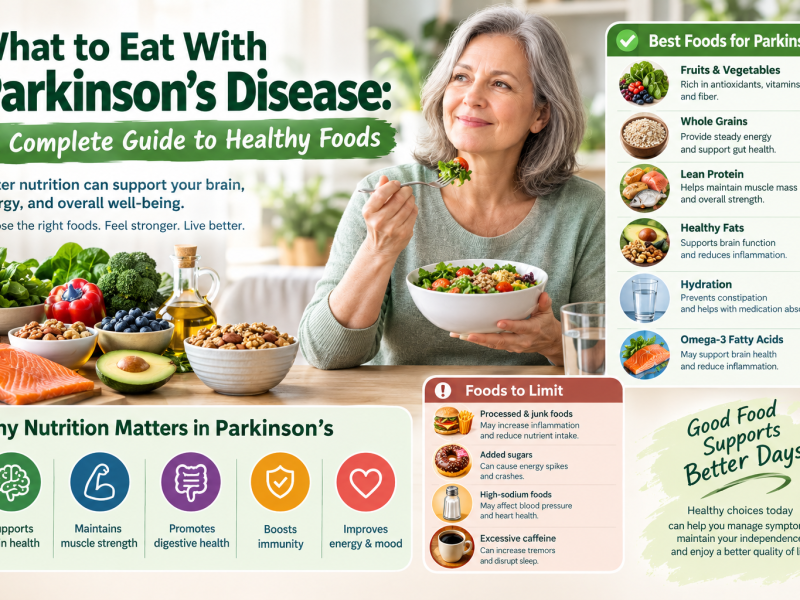
Parkinson’s disease is a progressive neurological disorder that can affect movement, balance, sleep, mood, digestion, and many other aspects of daily life. While there is currently no diet proven to cure or stop Parkinson’s disease, nutrition can play an important role in supporting overall health, maintaining strength, and managing certain symptoms.
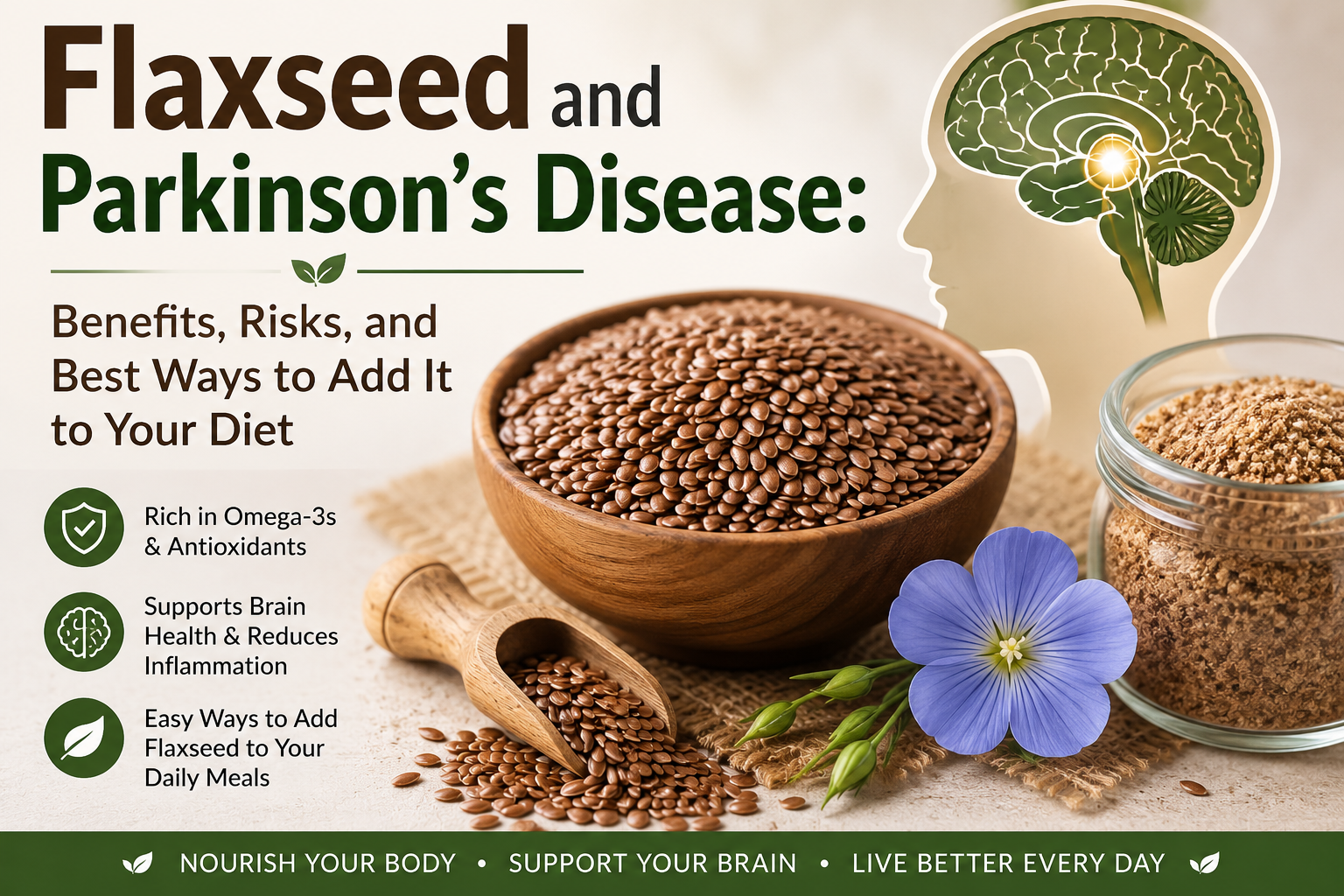
One food that has attracted interest is flaxseed. Also known as linseed, flaxseed is rich in fiber, plant-based omega-3 fatty acids, lignans, protein, and other nutrients. These components may offer several general health benefits that could be particularly relevant for people living with Parkinson’s disease.
However, flaxseed should be viewed as a nutritious addition to a balanced diet—not as a treatment or cure for Parkinson’s disease.
This article explores the potential benefits and risks of flaxseed, how it may fit into a Parkinson’s-friendly diet, and practical ways to add it to everyday meals.
What Is Flaxseed?
Flaxseed comes from the flax plant and has been consumed as a food for thousands of years. It is available in several forms, including whole seeds, ground flaxseed, flaxseed oil, and flaxseed-based foods.
Flaxseed contains several important nutrients:
- Alpha-linolenic acid (ALA), a plant-based omega-3 fatty acid
- Dietary fiber
- Protein
- Lignans, plant compounds with antioxidant properties
- Magnesium
- Thiamine (vitamin B1)
- Manganese
- Other vitamins and minerals
Ground flaxseed is generally easier to incorporate into meals and digest than whole flaxseed because grinding makes its nutrients more accessible.
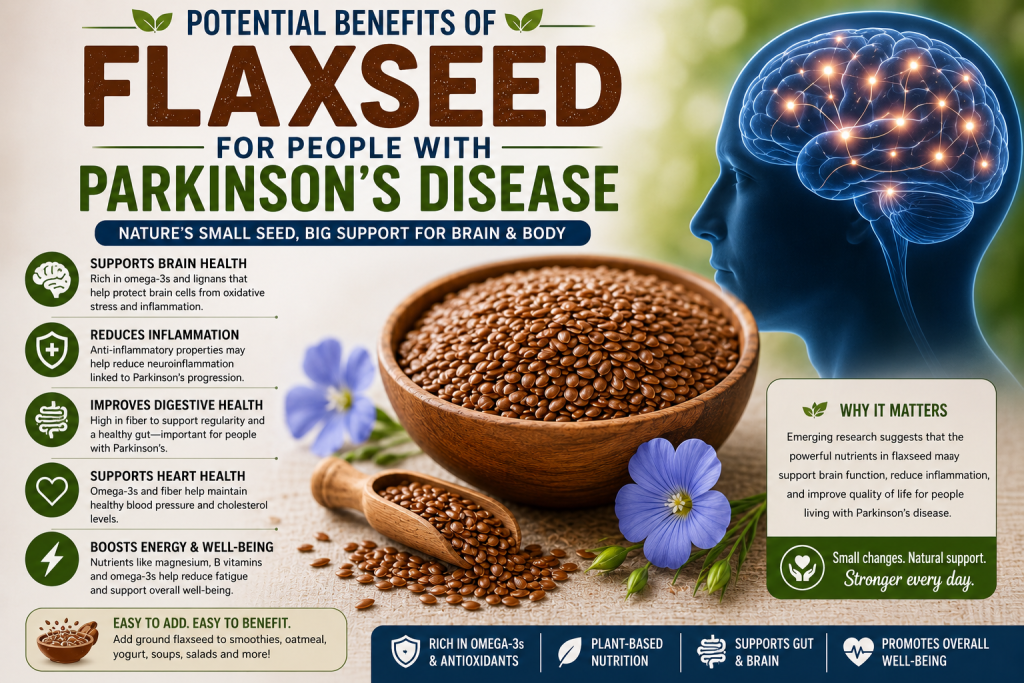
Potential Benefits of Flaxseed for People With Parkinson’s Disease
Research specifically examining flaxseed as a treatment for Parkinson’s disease remains limited. Nevertheless, some of its nutritional properties may support aspects of health that are important for people with Parkinson’s.
Click Here To Watch Video to Treat Parkinson’s Disease Naturally!..
1. May Support Digestive Health
Constipation is a common non-motor symptom associated with Parkinson’s disease.
Flaxseed is an excellent source of dietary fiber. Fiber helps add bulk to stool and can support regular bowel movements when combined with adequate fluid intake.
Adding ground flaxseed to the diet may therefore be useful as part of a broader approach to managing constipation.
Ways to increase fiber safely include:
- Ground flaxseed
- Oatmeal
- Vegetables
- Fruits
- Beans and lentils
- Whole grains
- Chia seeds
However, increasing fiber suddenly can cause bloating or gas. It is generally better to increase intake gradually.
2. Provides Plant-Based Omega-3 Fatty Acids
Flaxseed is one of the richest plant sources of alpha-linolenic acid (ALA).
Omega-3 fatty acids are important components of a healthy diet and have been studied extensively for their roles in cardiovascular and brain health.
The body can convert ALA into the omega-3 fatty acids EPA and DHA, although this conversion is limited. Therefore, flaxseed should not necessarily be considered a replacement for dietary sources of EPA and DHA.
Still, incorporating ALA-rich foods such as flaxseed into a balanced diet can contribute to overall nutritional quality.
3. Contains Antioxidant Lignans
Flaxseed contains compounds called lignans, which have antioxidant properties.
Oxidative stress and inflammation have been investigated in Parkinson’s disease research. However, laboratory findings about antioxidants do not automatically mean that consuming a particular food will slow Parkinson’s progression.
The practical takeaway is that flaxseed can be one part of an overall diet rich in plant foods, including:
- Berries
- Leafy green vegetables
- Cruciferous vegetables
- Beans
- Nuts and seeds
- Whole grains
- Colorful fruits and vegetables
A varied diet provides a much broader range of beneficial nutrients and plant compounds than relying on one food.
4. May Support Heart and Metabolic Health
People with Parkinson’s disease can also benefit from maintaining good cardiovascular and metabolic health.
Flaxseed’s combination of fiber, healthy fats, and plant compounds may support a heart-healthy eating pattern.
Some research has associated flaxseed consumption with improvements in certain cardiovascular risk factors, although effects vary depending on the population, amount consumed, and form of flaxseed.
A heart-healthy Parkinson’s diet can include:
- Vegetables and fruits
- Whole grains
- Fish
- Legumes
- Nuts and seeds
- Healthy unsaturated fats
- Limited highly processed foods
- Limited excess sodium and added sugars
5. May Help With Overall Nutritional Quality
Parkinson’s disease can sometimes make eating difficult because of fatigue, tremor, swallowing problems, reduced appetite, constipation, or difficulty preparing meals.
Flaxseed is relatively easy to add to everyday foods.
For example, a small amount of ground flaxseed can be added to:
- Breakfast cereal
- Oatmeal
- Yogurt
- Smoothies
- Soups
- Homemade bread
- Muffins
- Salads
- Porridge
This makes it a convenient way to add fiber and healthy fats to meals.
Does Flaxseed Treat or Cure Parkinson’s Disease?
No.
There is currently no good evidence that flaxseed can cure Parkinson’s disease or replace established Parkinson’s treatments.
Parkinson’s disease management may involve medications, physical therapy, occupational therapy, exercise, speech therapy, nutritional support, and other treatments depending on the individual’s symptoms.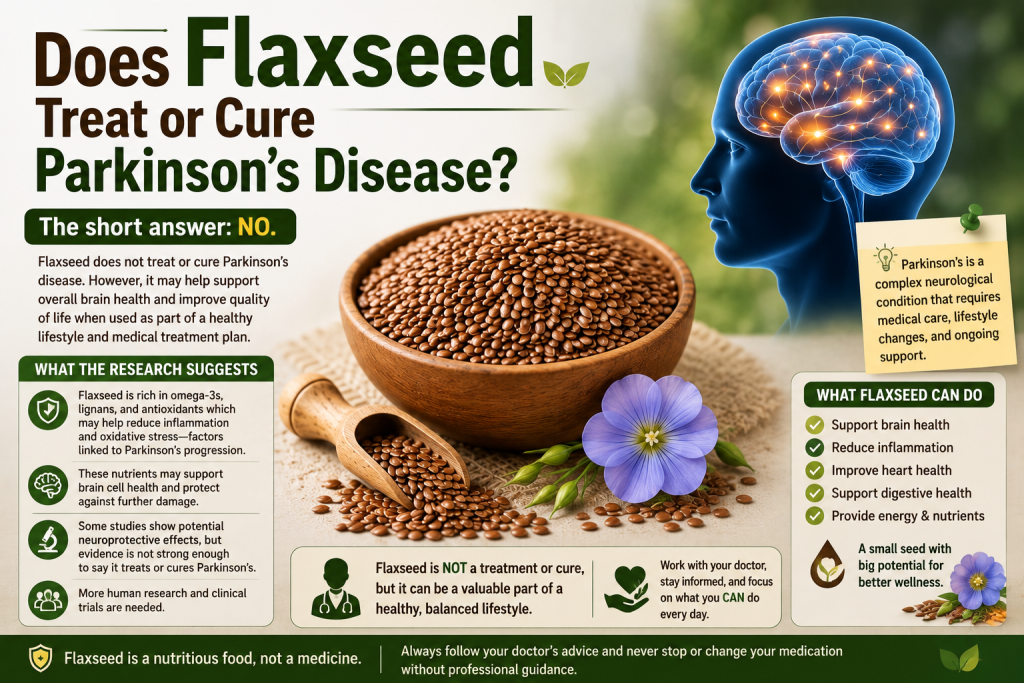 Click Here To Watch Video to Treat Parkinson’s Disease Naturally!..
Flaxseed should therefore be considered a supportive food, rather than a Parkinson’s treatment.
Be cautious of websites or supplements claiming that flaxseed can:
- Reverse Parkinson’s disease
- Cure tremors
- Regenerate damaged dopamine neurons
- Replace Parkinson’s medication
- Stop disease progression
Such claims go beyond the available evidence.
Flaxseed and Levodopa: An Important Consideration
People with Parkinson’s disease who take levodopa may need to pay attention to the timing and composition of meals.
Protein can interfere with levodopa absorption in some people because levodopa and dietary amino acids share transport mechanisms in the gut and across the blood-brain barrier.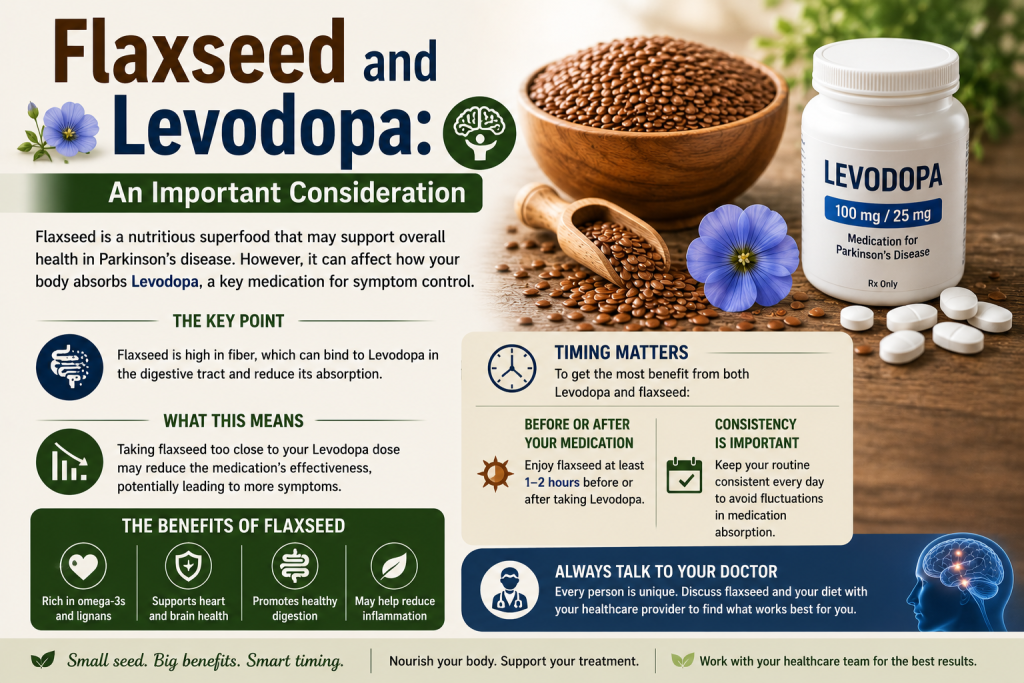
Click Here To Watch Video to Treat Parkinson’s Disease Naturally!..
Flaxseed itself is not a high-protein food, but it contributes some protein and, importantly, a high-fiber meal may affect digestion and medication absorption differently from person to person.
If you notice that your Parkinson’s medication works less effectively after certain meals, discuss your meal and medication schedule with your neurologist or Parkinson’s-focused dietitian.
Do not change medication timing or dosage on your own.
How Much Flaxseed Should You Eat?
There is no established Parkinson’s-specific flaxseed dosage.
For general nutrition, many people use approximately 1–2 tablespoons of ground flaxseed per day, but individual needs can vary.
If you are not accustomed to eating much fiber, start with a smaller amount and gradually increase it.
For example:
Start with:
- 1 teaspoon per day
Then, if tolerated:
- 1 tablespoon per day
Some people may eventually use:
- 1–2 tablespoons per day
It is also important to drink enough fluids when increasing dietary fiber.
If you have swallowing difficulties, digestive problems, or another medical condition requiring a specialized diet, ask your healthcare professional before making significant changes.
Ground Flaxseed vs. Whole Flaxseed
If you’re choosing between whole and ground flaxseed, ground flaxseed is often the more practical option.
Whole flaxseed
Advantages:
- Longer shelf life
- Easy to sprinkle into foods
- Provides fiber
Potential drawback:
- Some seeds may pass through the digestive tract without being fully broken down
Ground flaxseed
Advantages:
- Easier to incorporate into meals
- Nutrients are more accessible
- Works well in smoothies and oatmeal
Potential drawback:
- Goes rancid more quickly than whole seeds
Storage tip
Store ground flaxseed in an airtight container in the refrigerator or freezer to help preserve freshness.
Flaxseed Oil: Is It Better?
Flaxseed oil provides ALA but does not contain the same amount of fiber and lignans found in whole or ground flaxseed.
Therefore, if you’re specifically interested in flaxseed for constipation or fiber intake, flaxseed oil isn’t an equivalent substitute.
Flaxseed oil can still be useful as a source of plant-based ALA.
It can be used in:
- Salad dressings
- Smoothies
- Cold foods
- Homemade sauces
Avoid treating flaxseed oil as a Parkinson’s medication or therapeutic replacement for prescribed treatment.
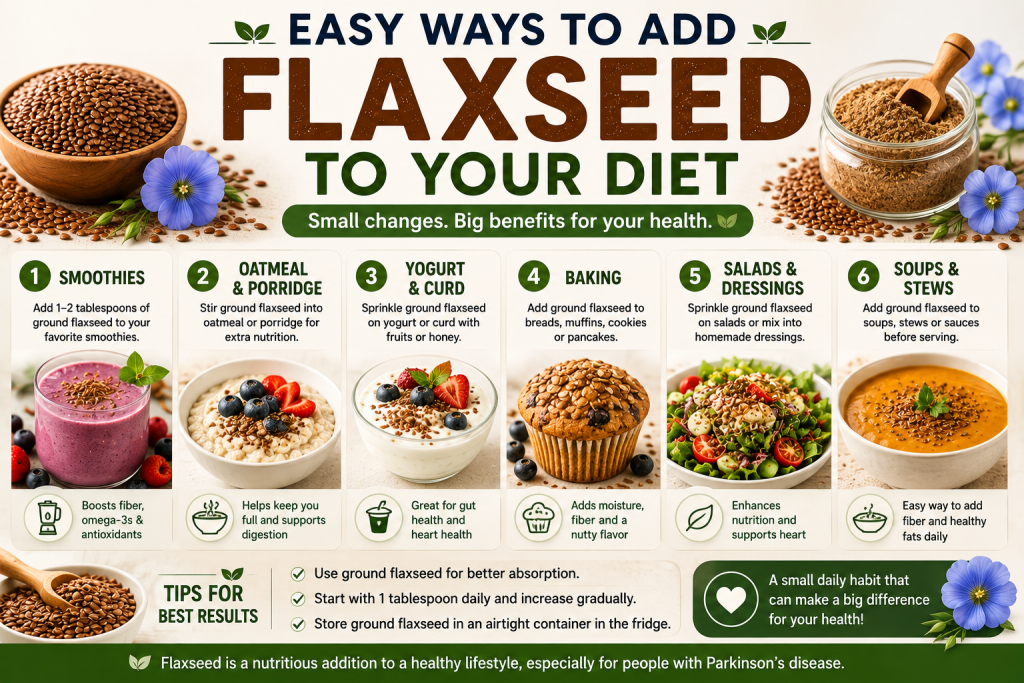
Easy Ways to Add Flaxseed to Your Diet
Adding flaxseed doesn’t have to be complicated.
Click Here To Watch Video to Treat Parkinson’s Disease Naturally!..
1. Add It to Oatmeal
Sprinkle 1 tablespoon of ground flaxseed over cooked oatmeal.
You can combine it with:
- Blueberries
- Strawberries
- Banana
- Cinnamon
- Walnuts
This creates a fiber-rich breakfast.
2. Blend It Into a Smoothie
Add ground flaxseed to a smoothie containing:
- Berries
- Banana
- Greek yogurt or another protein source
- Milk or a milk alternative
- Spinach
- Ground flaxseed
Start with a small quantity if you’re not used to high-fiber foods.
3. Mix It Into Yogurt
Stir ground flaxseed into plain yogurt and add fruit.
This is a quick snack that requires little preparation.
4. Sprinkle It Over Salads
Ground flaxseed can be added to salads along with:
- Olive oil
- Lemon juice
- Vegetables
- Beans
- Seeds
- Nuts
5. Add It to Homemade Baked Foods
Ground flaxseed can be incorporated into:
- Whole-grain muffins
- Homemade bread
- Pancakes
- Crackers
- Energy bites
Keep in mind that baked goods can also contain significant amounts of added sugar or refined flour, so choose recipes that fit your overall dietary goals.
Potential Risks and Side Effects
Although flaxseed is generally well tolerated as a food, consuming large amounts can cause problems.
1. Gas and Bloating
Increasing fiber too quickly can cause:
- Gas
- Bloating
- Abdominal discomfort
Start slowly and allow your digestive system to adjust.
2. Diarrhea
Large amounts of flaxseed, especially combined with other high-fiber foods, may cause loose stools in some people.
3. Insufficient Fluid Intake
Fiber works best when you consume enough fluid. Increasing fiber without adequate hydration can potentially worsen constipation.
4. Medication Considerations
Because dietary fiber can affect digestion and the absorption of some medications, people taking multiple medications should discuss significant dietary changes with a healthcare professional.
5. Swallowing Difficulties
Some people with Parkinson’s disease develop dysphagia. Dry seeds or thick mixtures may be difficult to swallow safely.
If swallowing is a problem, consult a speech-language pathologist or healthcare professional about appropriate food textures.
Who Should Be Especially Careful With Flaxseed?
Talk with your healthcare professional before adding significant amounts of flaxseed if you:
- Have difficulty swallowing
- Have a bowel obstruction or severe digestive disorder
- Take multiple prescription medications
- Have been prescribed a specialized diet
- Have unexplained or persistent digestive symptoms
- Have difficulty maintaining adequate hydration
Individual circumstances matter, particularly in Parkinson’s disease.
A Parkinson’s-Friendly Diet: Think Beyond One Food
Flaxseed can be nutritious, but focusing on a single food misses the bigger picture.
A healthy dietary pattern for someone with Parkinson’s disease may emphasize:
Fruits and vegetables
Aim for a wide variety of colors and types.
Whole grains
Examples include:
- Oats
- Brown rice
- Barley
- Whole-grain bread
Healthy fats
Consider:
- Olive oil
- Nuts
- Seeds
- Avocado
- Fatty fish
Protein-rich foods
Depending on individual medication needs and nutritional requirements:
- Fish
- Eggs
- Beans
- Lentils
- Yogurt
- Poultry
- Other protein foods
Adequate hydration
Water and other appropriate fluids can be particularly important when constipation is an issue.
Final Thoughts
Flaxseed can be a valuable addition to a balanced diet for people living with Parkinson’s disease. Its fiber, ALA omega-3 fatty acids, lignans, and other nutrients make it a nutritious food that may support digestive, cardiovascular, and overall health.
However, it is important to keep expectations realistic. Flaxseed has not been established as a treatment or cure for Parkinson’s disease, and it should never be used as a replacement for prescribed medication or professional medical care.
For many people, a practical approach is to start with a small amount of ground flaxseed, gradually increase it if tolerated, drink adequate fluids, and incorporate it into foods such as oatmeal, yogurt, smoothies, and salads.
Most importantly, nutrition works best as part of a broader Parkinson’s management plan that includes appropriate medical care, physical activity, adequate sleep, and individualized nutritional guidance.
If you have Parkinson’s disease and are considering making major dietary changes—especially if you take levodopa or have constipation, swallowing difficulties, or other digestive symptoms—speak with your neurologist or a registered dietitian familiar with Parkinson’s disease before making significant changes.