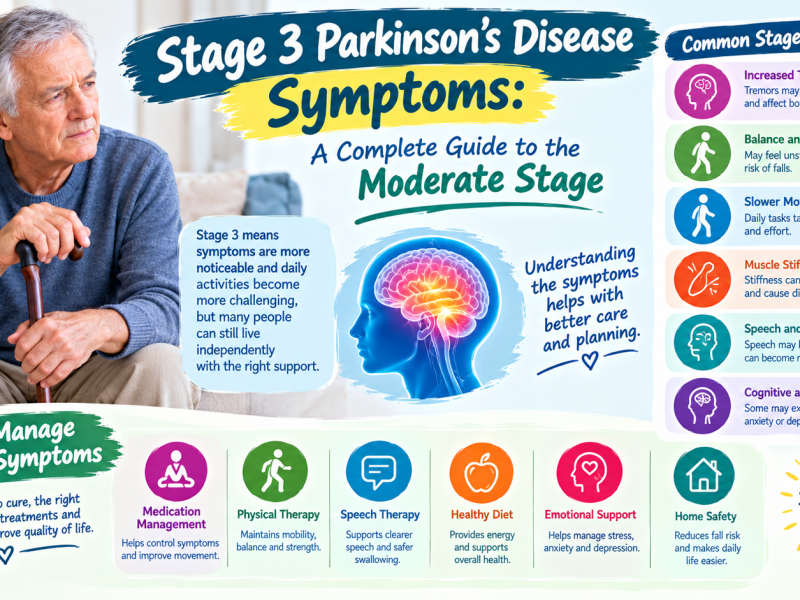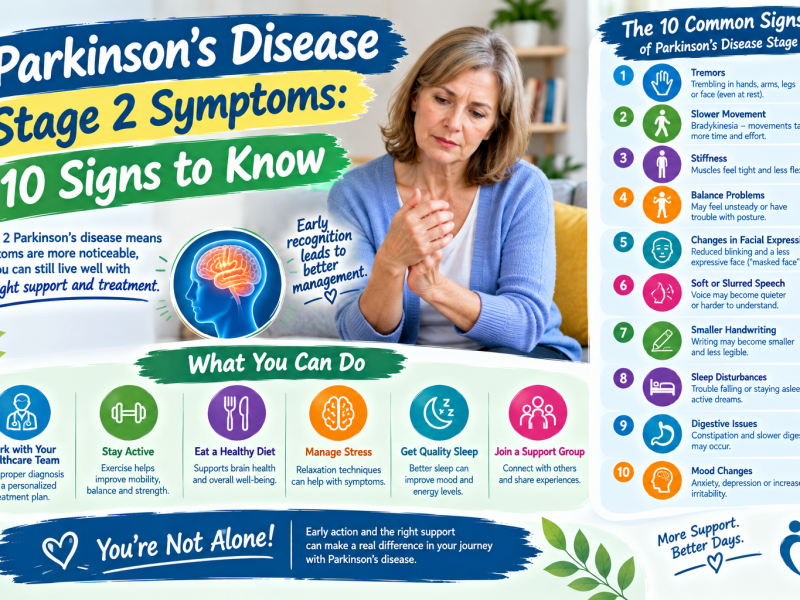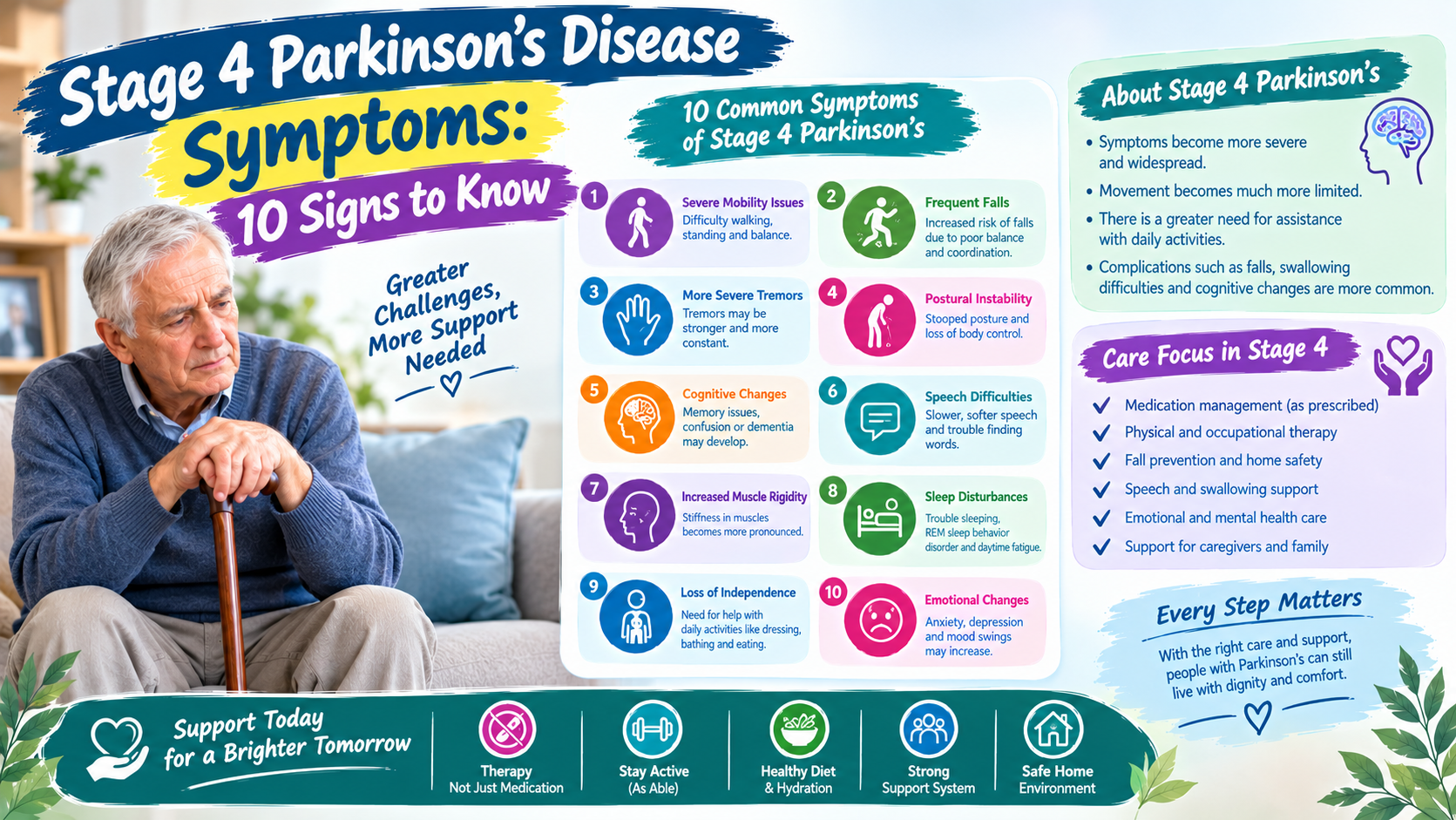
Parkinson’s disease is a progressive neurological condition that affects movement, coordination, balance, and several non-motor functions. As the disease advances, symptoms may become more noticeable and interfere with everyday activities. Stage 4 Parkinson’s disease is an advanced stage in which people typically experience significant movement difficulties and require assistance with some daily tasks, although many can still stand or walk independently to some extent.
Understanding stage 4 Parkinson’s disease symptoms can help individuals, caregivers, and family members recognize changing needs and make informed decisions about treatment, safety, and support.
In this guide, we explore 10 common signs of stage 4 Parkinson’s disease, how they can affect daily life, and practical ways to support someone living with advanced Parkinson’s.
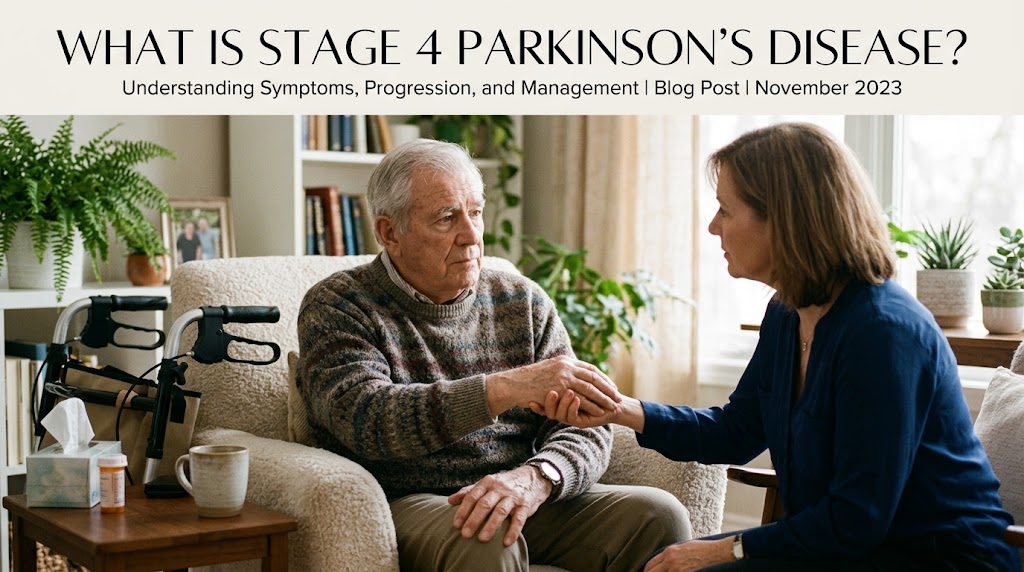
What Is Stage 4 Parkinson’s Disease?
Click Here To Watch Video to Treat Parkinson’s Disease Naturally!..
Parkinson’s disease is commonly described using the Hoehn and Yahr scale, which classifies the progression of movement-related symptoms into five stages.
Stage 4 is generally characterized by severe disability. A person may still be able to stand or walk without assistance in some circumstances, but movement is significantly limited, and help with daily activities is often necessary.
Symptoms vary from person to person. Some people experience substantial stiffness and walking difficulties, while others have more prominent freezing episodes, fatigue, or non-motor symptoms.
Stage 4 does not mean that every person has the same symptoms or needs the same level of care. Treatment, physical condition, other medical conditions, and individual circumstances all influence how the disease affects daily life.
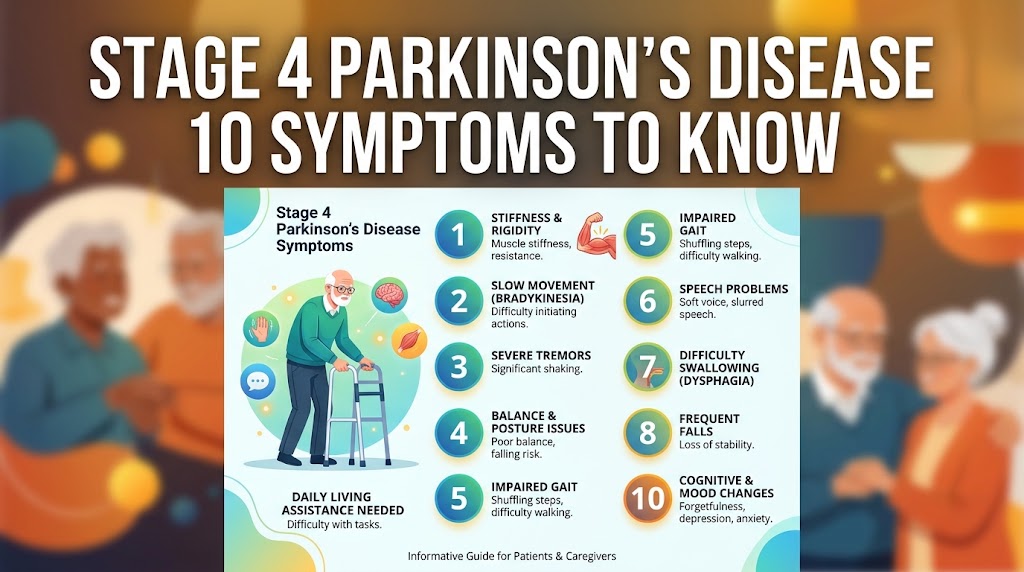
10 Stage 4 Parkinson’s Disease Symptoms to Know
Click Here To Watch Video to Treat Parkinson’s Disease Naturally!..
1. Severe Slowness of Movement
One of the main symptoms of advanced Parkinson’s disease is bradykinesia, which means slowness of movement.
At stage 4, movements may become considerably slower and more difficult to initiate. Tasks that were previously simple may take much longer to complete.
Common examples include:
- Getting out of bed or standing up from a chair.
- Dressing, bathing, or grooming.
- Turning over in bed.
- Eating and handling utensils.
- Starting to walk after sitting for a long time.
A person may also find it difficult to perform two activities at once, such as walking while talking.
How to help: Allow extra time for daily activities. Avoid rushing the person, and consider occupational therapy to identify techniques and equipment that make everyday tasks easier.
2. Significant Muscle Stiffness
Muscle rigidity is another common symptom. It occurs when muscles remain stiff and resist movement.
At stage 4, stiffness may affect the arms, legs, shoulders, neck, and trunk. It can make ordinary movements uncomfortable and contribute to difficulties with posture and mobility.
Possible signs include:
- Stiff arms and legs.
- Difficulty turning the head or body.
- Reduced arm swing while walking.
- Discomfort when changing positions.
- Trouble rolling over in bed.
Muscle stiffness can also contribute to fatigue because moving requires greater effort.
How to help: Gentle stretching, prescribed physical therapy, and appropriate positioning may improve comfort and mobility. A healthcare professional can review medication timing and other treatment options if stiffness is poorly controlled.
3. Serious Balance Problems
Balance impairment can become more pronounced as Parkinson’s disease progresses. At stage 4, maintaining a stable standing position may be difficult, increasing the risk of falls.
A person may struggle when turning, reaching for objects, changing direction, or moving across uneven surfaces.
Balance problems can cause fear of falling, which may lead someone to avoid activities and become less physically active.
Falls can result in injuries, including fractures and head injuries, so prevention is especially important.
How to help: A physical therapist can assess balance and recommend suitable mobility aids. Remove loose rugs, improve lighting, install grab bars where appropriate, and keep frequently used items within easy reach. Use a walking aid only when it has been properly assessed and fitted.
4. Difficulty Walking and Freezing Episodes
Walking often becomes more challenging in advanced Parkinson’s disease. Steps may become short and slow, and the person may have difficulty lifting their feet.
Some people experience freezing of gait, a temporary inability to move their feet forward even when they intend to walk. Freezing may happen when approaching a doorway, turning, entering a crowded area, or beginning to walk.
These episodes can be frightening and may increase fall risk.
How to help: A physical therapist trained in Parkinson’s care may teach cueing strategies, such as stepping toward a visual target or responding to a steady rhythm. When freezing occurs, encourage the person to pause, regain balance, and use a learned cue rather than pulling them forward.
Never rush someone through a freezing episode, particularly when they are standing without stable support.
5. Difficulty With Everyday Activities
At stage 4, many people need assistance with some activities of daily living. The amount of help required differs from person to person.
Tasks that may become difficult include:
- Bathing and personal hygiene.
- Putting on clothes and fastening buttons.
- Preparing meals.
- Using the toilet safely.
- Getting in and out of bed.
- Managing household activities.
Tremor, stiffness, slowness, and balance problems may combine to make these tasks more challenging.
How to help: Occupational therapists can recommend adaptive utensils, dressing aids, shower chairs, grab bars, and other equipment. Encourage the person to complete tasks they can safely manage while providing assistance where needed.
Maintaining independence in small ways can support dignity and confidence.
6. Tremor and Reduced Control of Movement
Tremor is one of the best-known symptoms of Parkinson’s disease, although not everyone experiences prominent tremor. Some people have tremors that become more noticeable as the disease progresses.
A resting tremor may affect the hands, fingers, legs, or jaw. Other movement changes can include difficulty controlling small movements and reduced precision when handling objects.
These symptoms may interfere with writing, eating, holding a cup, or using everyday tools.
It is important to remember that tremor severity does not always reflect the overall severity of Parkinson’s disease. Someone with advanced disease may have little tremor but substantial stiffness, slowness, or balance impairment.
How to help: Occupational therapy, adapted utensils, and suitable assistive devices may make daily tasks easier. Medication adjustments may also help some movement symptoms, but treatment should be reviewed by the prescribing clinician.
7. Changes in Speech and Communication
Parkinson’s disease can affect the muscles and coordination involved in speaking. A person with stage 4 Parkinson’s may speak softly, slowly, or with less variation in tone.
Speech may become less clear, making conversations more tiring for the individual and harder for others to understand.
Some people may also have difficulty finding the right timing to begin speaking or may struggle to communicate when tired.
How to help: A speech-language therapist can assess speech and communication and recommend strategies to improve clarity and reduce effort. Helpful approaches may include reducing background noise, allowing extra response time, and facing the person during conversations.
Do not assume that a quiet voice means the person is confused or unable to understand what is being said.
8. Swallowing Difficulties and Nutritional Problems
Swallowing difficulties, known as dysphagia, can occur in Parkinson’s disease and may become more concerning as the condition advances.
Possible signs include coughing or choking during meals, food remaining in the mouth, taking a long time to finish meals, or a wet-sounding voice after swallowing.
Swallowing problems can increase the risk of dehydration, malnutrition, and aspiration, which occurs when food, liquid, or saliva enters the airway. Aspiration can sometimes lead to serious lung infections.
How to help: Ask a healthcare professional for an assessment if swallowing changes develop. A speech-language therapist may evaluate swallowing and recommend suitable techniques or food and liquid adjustments. A dietitian can help maintain adequate nutrition and hydration.
Do not change food textures or thicken liquids without appropriate guidance. Seek urgent medical help if the person is choking and cannot breathe, speak, or cough effectively.
9. Sleep Problems, Fatigue, and Daytime Drowsiness
Sleep disturbances are common in Parkinson’s disease. At advanced stages, poor sleep and daytime fatigue can make physical symptoms harder to manage.
Possible problems include difficulty falling asleep, waking frequently during the night, painful stiffness in bed, vivid dreams, and excessive daytime sleepiness.
Some people experience restless legs or act out their dreams during sleep. Medications and other health conditions can also contribute to sleep changes.
How to help: Discuss persistent sleep problems with a healthcare professional. A regular sleep schedule, a comfortable sleeping environment, and a review of medications may help.
If daytime drowsiness is significant, the clinician should assess possible causes and discuss safety, particularly around walking, transfers, and driving.
10. Mood Changes, Cognitive Difficulties, and Other Non-Motor Symptoms
Parkinson’s disease affects more than movement. People with advanced disease may experience depression, anxiety, apathy, memory difficulties, or problems with attention and planning.
Some individuals develop Parkinson’s disease dementia, which can affect judgment, communication, and the ability to manage daily activities. However, cognitive changes vary widely and do not occur in every person.
Other non-motor symptoms can include constipation, urinary problems, low blood pressure when standing, pain, and changes in the sense of smell.
These symptoms can significantly affect quality of life, even when they are less visible than movement difficulties.
How to help: Report new or worsening changes in mood, thinking, sleep, or behavior to a healthcare professional. Treatment may include medication review, counseling, supportive routines, rehabilitation, or assessment for other causes.
Sudden confusion is not something to automatically attribute to Parkinson’s disease. It may be caused by an infection, dehydration, medication effects, or another urgent medical problem and deserves prompt assessment.
How Is Stage 4 Parkinson’s Disease Managed?

Click Here To Watch Video to Treat Parkinson’s Disease Naturally!..
Although Parkinson’s disease currently has no cure, treatment can help manage symptoms and support quality of life.
A personalized care plan may include:
- Medication management: Parkinson’s medications, including levodopa-based treatment, may help control movement symptoms. The timing and effectiveness of doses can become more complicated as the disease progresses.
- Physical therapy: Exercises and movement strategies can help maintain mobility, strength, flexibility, and balance as safely as possible.
- Occupational therapy: Adaptive equipment and changes to daily routines can support independence and safety.
- Speech and swallowing therapy: Specialized assessment may help with communication, eating, and swallowing.
- Nutrition support: A balanced diet and individualized hydration plan can help address nutritional challenges.
- Mental health support: Counseling, social connection, and treatment of depression or anxiety may improve well-being.
- Caregiver support: Respite services, education, and practical assistance can help caregivers manage the demands of long-term care.
Medication should not be stopped or substantially changed without advice from the treating clinician. Abruptly stopping certain Parkinson’s medications can cause serious complications.
When Should You Seek Medical Attention?

Click Here To Watch Video to Treat Parkinson’s Disease Naturally!..
Contact the healthcare team when symptoms worsen, falls become more frequent, medication seems less effective, swallowing becomes difficult, or the person can no longer complete routine activities safely.
Seek urgent medical attention for sudden severe confusion, new weakness, a sudden change in speech, a serious fall or head injury, or breathing and swallowing emergencies. These symptoms may indicate conditions other than the usual progression of Parkinson’s disease.
Final Thoughts
Stage 4 Parkinson’s disease symptoms can significantly affect movement, balance, communication, self-care, sleep, and emotional well-being. Common signs include severe slowness, muscle stiffness, balance difficulties, freezing of gait, greater dependence on assistance, speech changes, swallowing problems, fatigue, and cognitive or mood changes.
Although these challenges can be substantial, individualized treatment, rehabilitation, home-safety improvements, and caregiver support can help people maintain comfort and quality of life.
Every person’s experience is different. Regular communication with a neurologist and the wider healthcare team helps ensure that treatment and support evolve as needs change.
Medical disclaimer: This article is for educational purposes only and is not a substitute for professional medical advice, diagnosis, or treatment. Consult a qualified healthcare professional about symptoms, medication changes, swallowing difficulties, falls, or other concerns related to Parkinson’s disease.