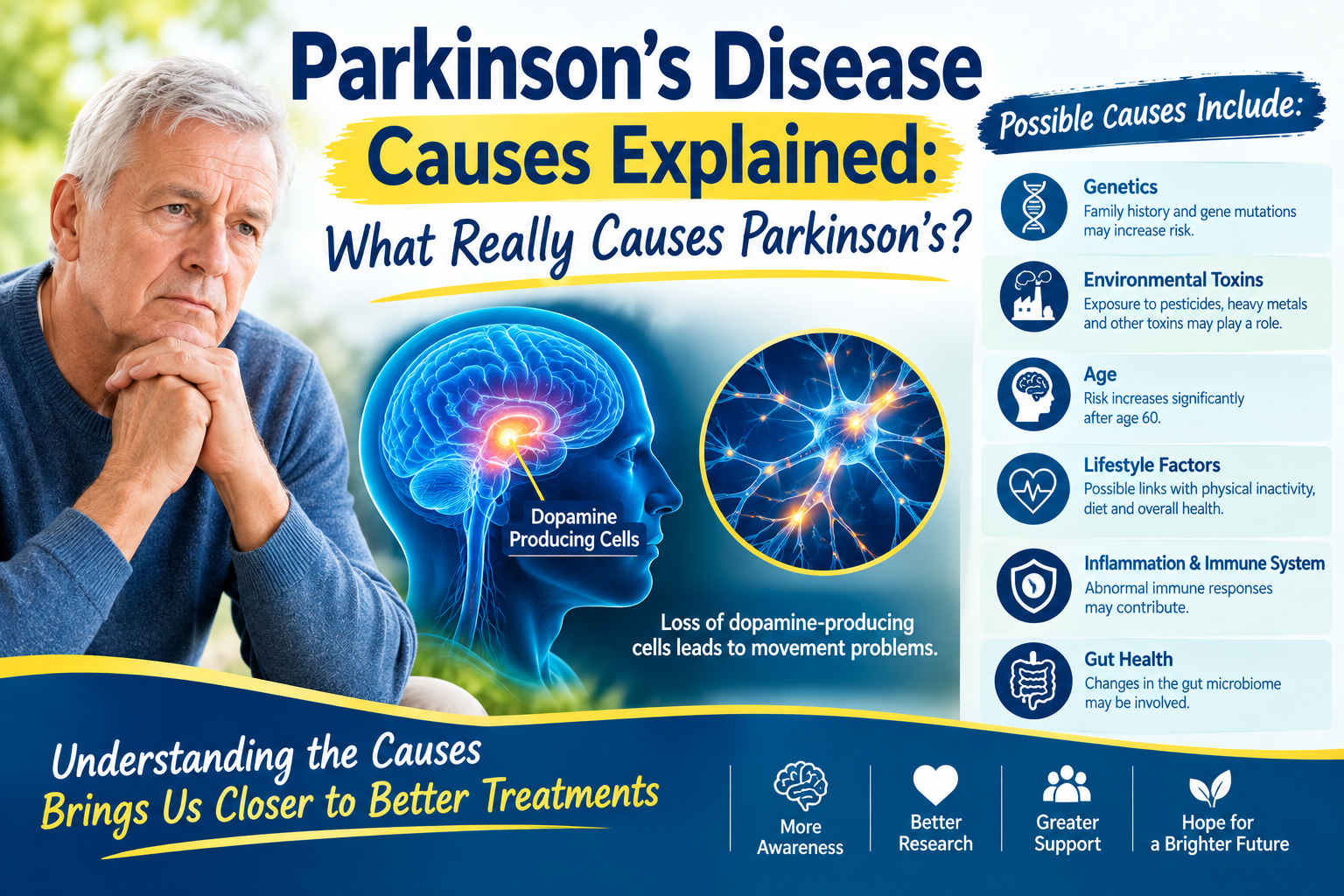
Parkinson’s disease is a progressive neurological disorder that affects movement, coordination, and many non-motor functions. It is commonly associated with tremor, stiffness, slow movement, and
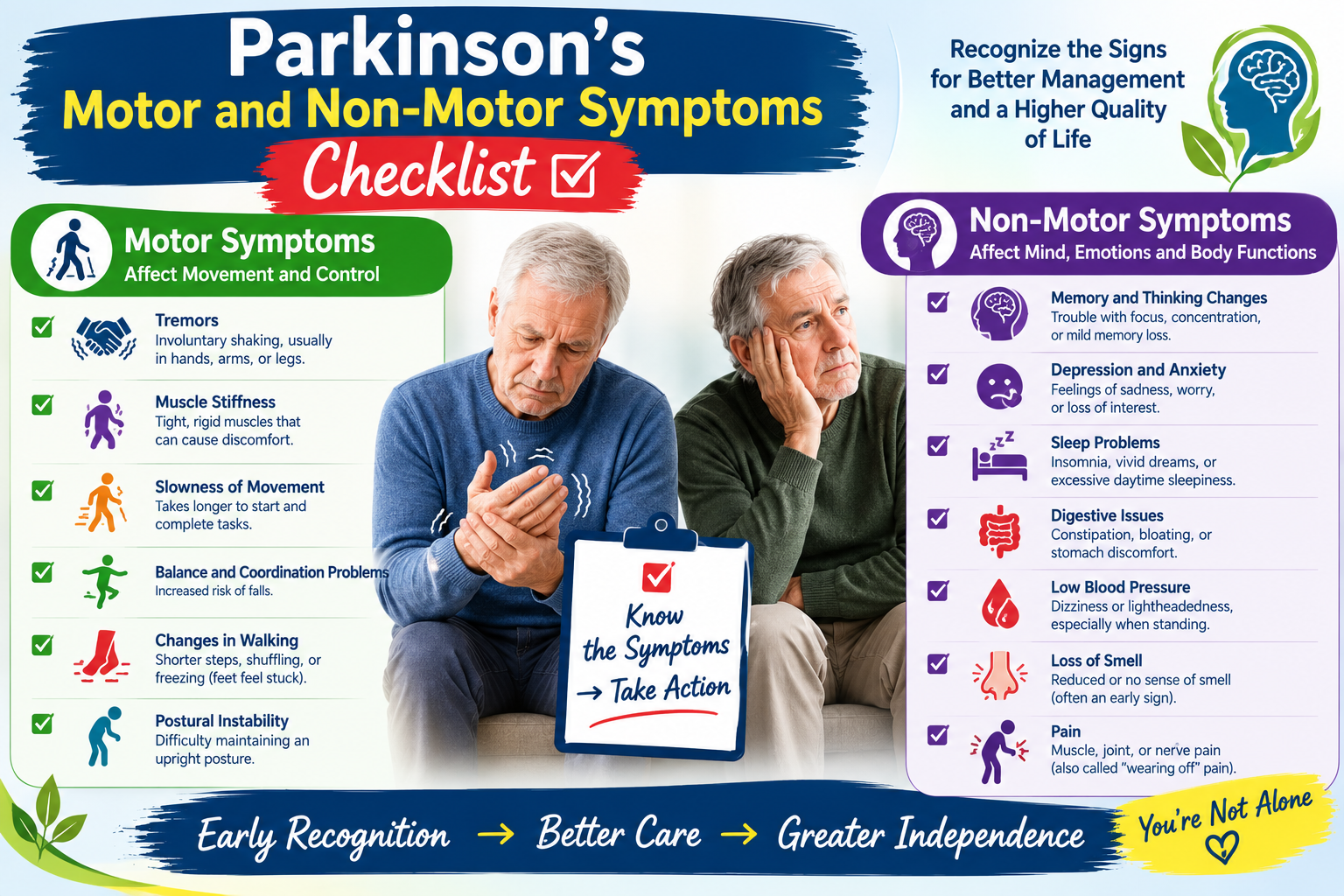
Parkinson’s disease is a progressive neurological condition that can affect movement, mood, sleep, thinking, digestion, and many other aspects of daily life. While symptoms such
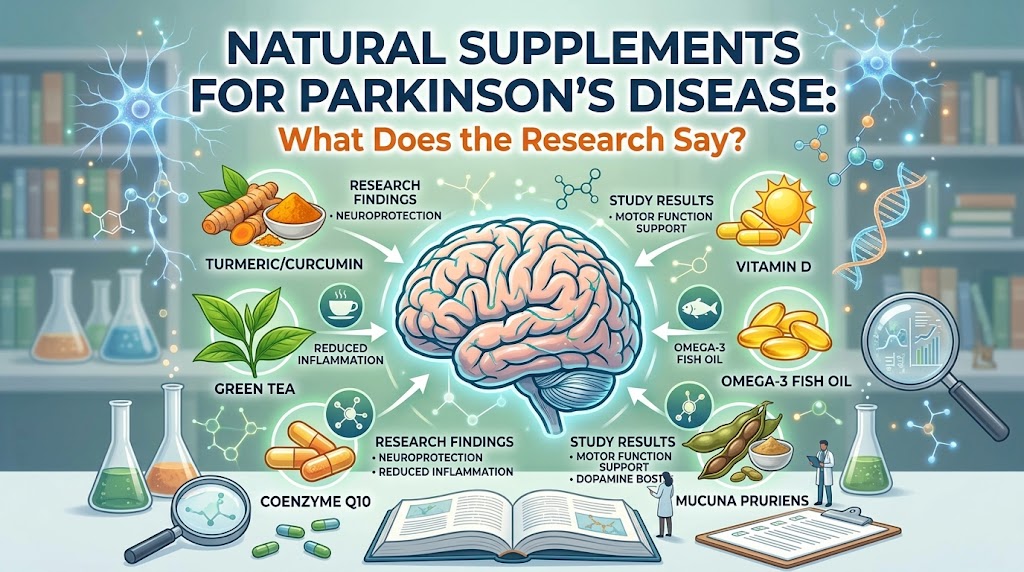
Many people with Parkinson’s disease look for natural supplements that might improve symptoms, support brain health, or slow disease progression. Vitamins, minerals, antioxidants, herbal products,

Parkinson’s tremor is one of the symptoms most commonly associated with Parkinson’s disease. It can affect the hands, fingers, jaw, chin, legs, or other parts

Parkinson’s disease can affect much more than walking, balance, and movement. As the condition progresses, some people develop changes in their voice, speech, facial expression,
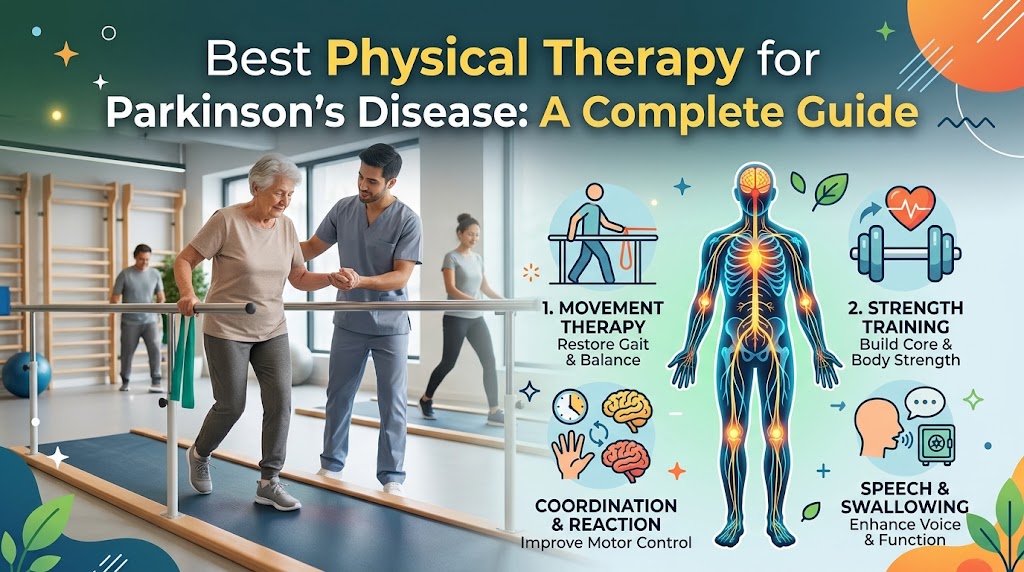
Physical therapy is an important part of managing Parkinson’s disease. Although it cannot cure Parkinson’s or stop the underlying progression of the condition, a well-designed
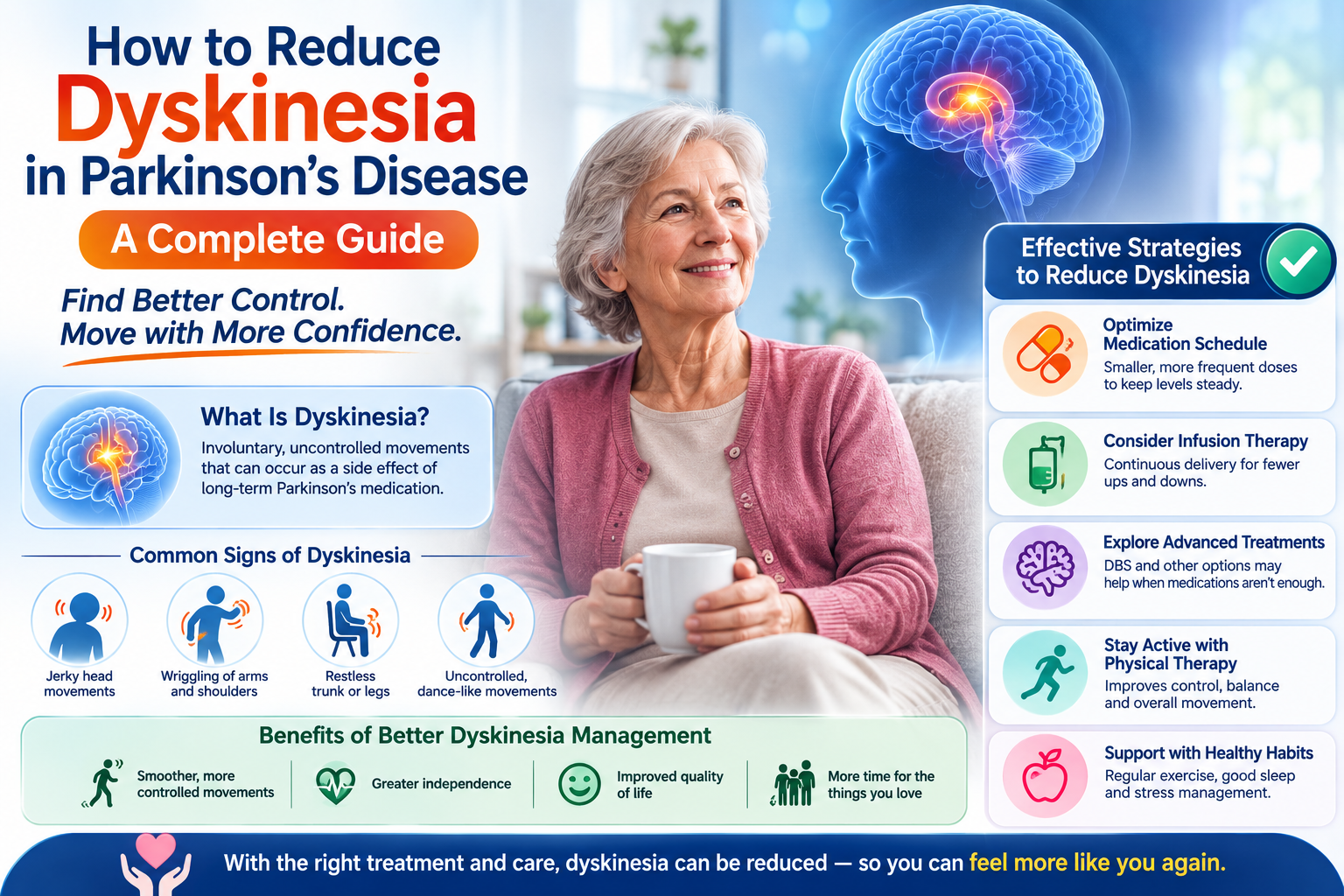
Dyskinesia is one of the most challenging movement complications that some people with Parkinson’s disease experience. It refers to involuntary movements that may appear as
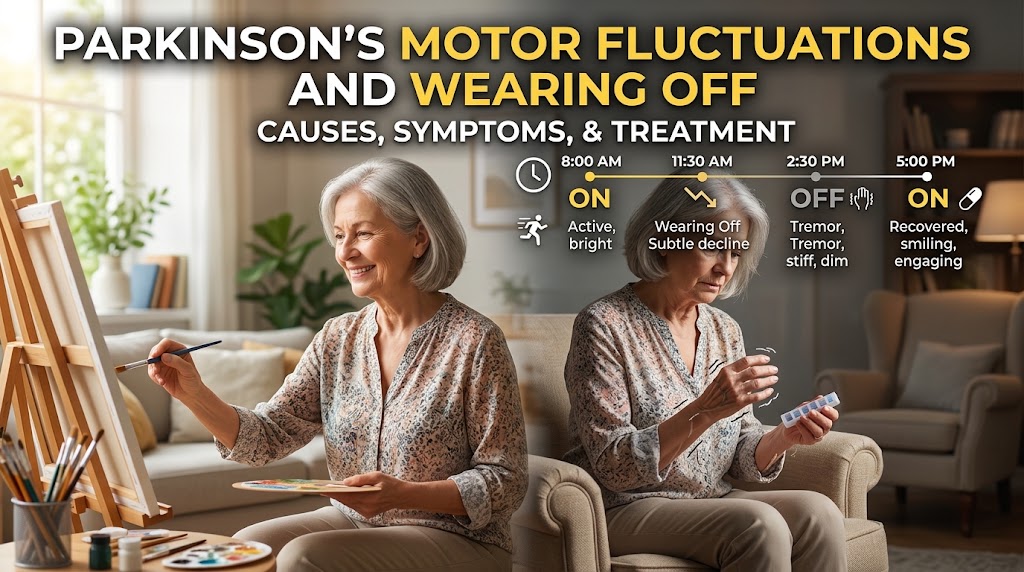
Parkinson’s disease is a progressive neurological disorder that affects movement and many other aspects of daily life. In the earlier stages, medications such as levodopa
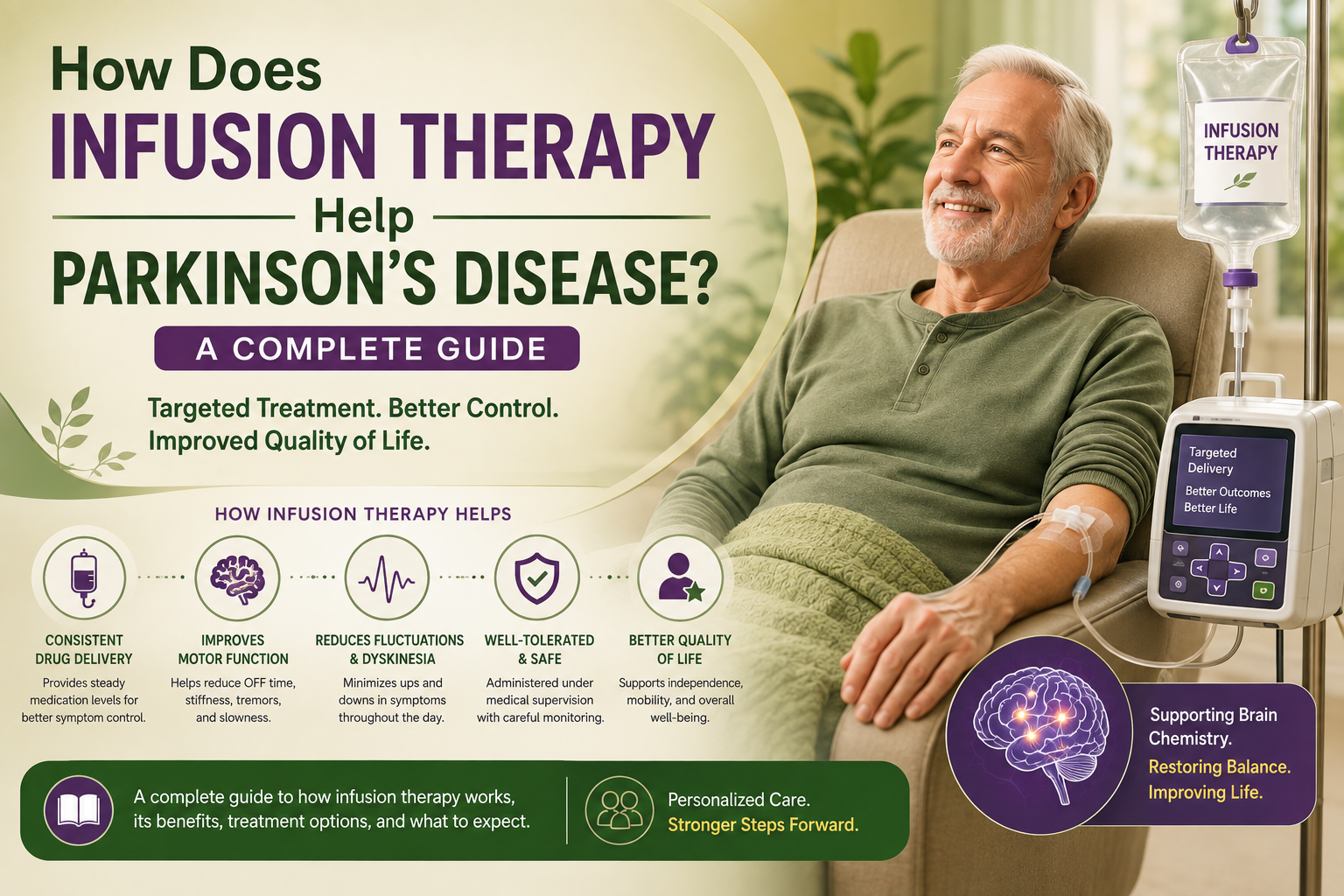
Parkinson’s disease is a progressive neurological condition that can make movement increasingly difficult. Symptoms such as tremor, stiffness, slowed movement, and motor fluctuations may become

For people living with Parkinson’s disease, focused ultrasound can offer a treatment option for certain movement symptoms without the need for a traditional open brain